The development of the Threshers Machine is closely linked to the broader evolution of agricultural technology. As farming expanded and demand for food increased, there was a need for tools that could handle larger volumes of crops. Mechanical threshers were designed to meet this need by automating grain separation.
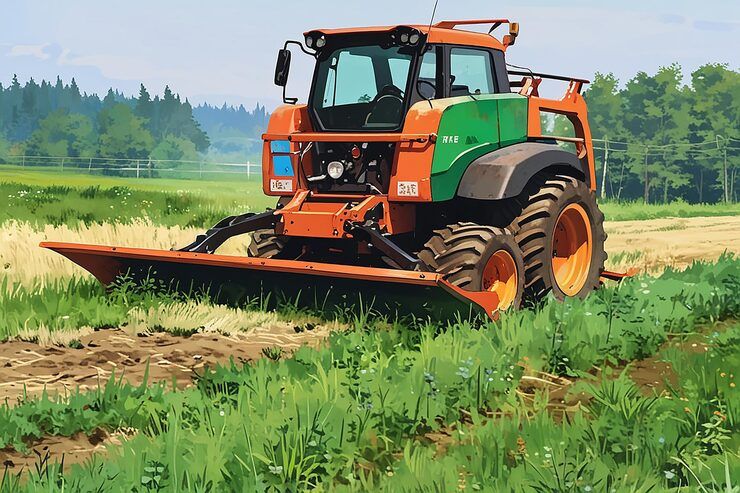
Today, Threshers Machine systems are used across various farming environments, from small-scale farms to larger agricultural operations. They are commonly used for crops such as wheat, rice, and pulses. By reducing manual labor and improving output consistency, threshers have become a standard part of modern farming practices.
Importance
Threshers Machine technology plays a vital role in improving agricultural productivity. One of its primary benefits is the reduction of manual labor. Farmers no longer need to rely solely on traditional methods, which can be physically demanding and time-intensive.
Another key advantage is efficiency. Mechanical threshing allows large quantities of crops to be processed in a shorter period. This is especially important during harvest seasons when timing is critical. Delays in threshing can lead to crop damage or losses due to weather conditions.
Threshers Machine systems also help improve grain quality. By providing a more controlled process, they reduce grain breakage and contamination. This leads to cleaner and more uniform output.
Key benefits include:
- Faster processing, allowing large volumes of crops to be handled quickly
- Reduced labor effort, minimizing physical strain on workers
- Improved grain quality, with less damage and better separation
- Time management, helping farmers complete harvesting tasks within limited windows
These advantages make threshers an essential tool in modern agriculture, supporting both productivity and sustainability.
Recent Updates
Recent trends in Threshers Machine technology focus on improving efficiency, safety, and adaptability. Modern machines are being designed with enhanced mechanisms that reduce grain loss during the threshing process. This ensures that a higher percentage of harvested crops is effectively processed.
Another important development is the integration of multi-crop functionality. Newer machines are capable of handling different types of crops with minimal adjustments. This flexibility allows farmers to use the same equipment for various agricultural needs.
Automation and digital monitoring are also emerging trends. Some advanced threshers include sensors that monitor performance and detect issues during operation. These features help maintain consistent output and reduce downtime.
Energy efficiency has also become a focus area. Manufacturers are designing machines that consume less fuel or operate with alternative power sources. This supports environmentally conscious farming practices and reduces operational strain.
Laws or Policies
Threshers Machine usage is influenced by agricultural policies and safety regulations. In India, agricultural machinery is guided by standards set by organizations such as the Bureau of Indian Standards (BIS) and the Ministry of Agriculture.
Safety guidelines are particularly important for threshers, as improper use can lead to accidents. Regulations often require machines to include protective covers, emergency stop mechanisms, and clear operating instructions. These measures are designed to protect users and ensure safe handling.
Government programs sometimes support the adoption of agricultural machinery through subsidies or financial assistance schemes. These initiatives aim to improve farming efficiency and encourage the use of modern equipment.
Environmental policies also play a role. Guidelines related to fuel usage and emissions influence how threshers are designed and operated. Compliance with these policies helps promote sustainable agricultural practices.
Tools and Resources
Various tools and resources are available to support the effective use of Threshers Machine systems. These resources help farmers understand machine operation, maintenance, and performance optimization.
Common tools include:
- Operation manuals, providing detailed instructions on machine usage
- Maintenance guides, helping users keep equipment in working condition
- Agricultural advisory platforms, offering guidance on crop-specific practices
- Training programs, teaching safe and efficient machine handling
A comparison of common types of threshers is shown below:
| Type of Thresher | Suitable Crops | Key Feature | Usage Scenario |
|---|---|---|---|
| Drum Thresher | Wheat, rice | Rotating drum for grain separation | Medium to large farms |
| Pedal Thresher | Small crops | Manual operation using pedals | Small-scale farming |
| Power Thresher | Multiple crops | Engine-driven mechanism | High-volume processing |
| Axial Flow Thresher | Grains and pulses | Continuous crop flow design | Efficient large-scale operations |
These tools and machine types help farmers choose appropriate methods for their specific agricultural needs.
FAQs
What is a Threshers Machine?
A Threshers Machine is a mechanical device used to separate grains from harvested crops. It replaces traditional manual methods and improves efficiency.
How does a Threshers Machine work?
It uses rotating components or airflow systems to loosen and separate grains from stalks. The process varies depending on the machine type.
What crops can be processed using a Threshers Machine?
Common crops include wheat, rice, maize, and pulses. Some machines are designed to handle multiple crop types.
Why is a Threshers Machine important in agriculture?
It reduces manual labor, speeds up the harvesting process, and improves grain quality. This helps farmers manage their crops more effectively.
Are there safety precautions for using a Threshers Machine?
Yes, users should follow guidelines such as keeping hands away from moving parts, using protective equipment, and operating the machine according to instructions.
Conclusion
Threshers Machine technology has significantly improved the way crops are processed after harvesting. By reducing manual effort and increasing efficiency, these machines support modern agricultural practices. Recent advancements continue to enhance their performance, safety, and adaptability. Understanding their features and proper usage helps ensure effective and safe farming operations.