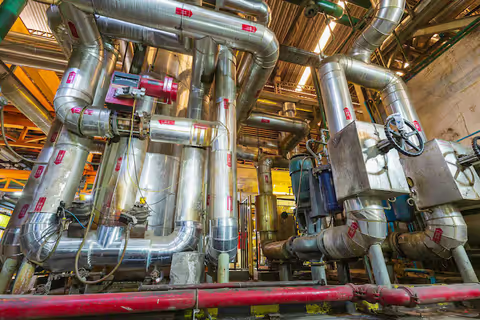
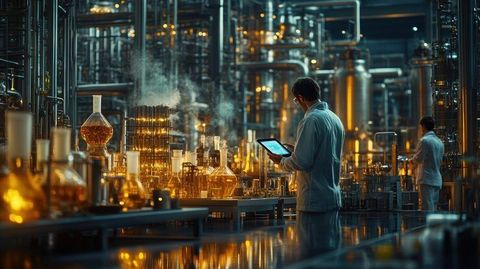
The concept of Industrial Piping developed alongside industrialization, where efficient movement of materials became essential for large-scale production. Early piping systems were simple and often made from basic materials, but modern systems are highly engineered to handle complex processes and demanding conditions.
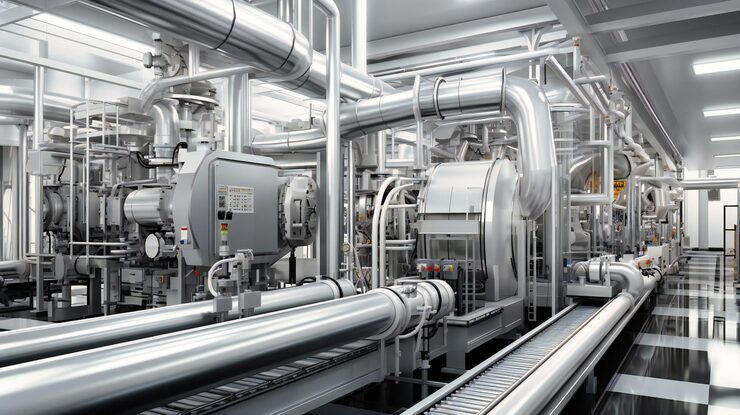
Industrial Piping exists to ensure controlled and safe transport of substances from one stage of a process to another. It allows industries to maintain consistent production, manage pressure and temperature conditions, and support automated operations. Without well-designed piping systems, many industrial processes would be inefficient or difficult to manage.
Importance
Industrial Piping plays a critical role in maintaining the functionality of industrial operations. It directly impacts productivity, safety, and process efficiency across various industries.
One of the primary reasons Industrial Piping is important is its role in ensuring smooth material flow. Whether transporting water, fuel, or chemical solutions, piping systems help maintain continuous operations without interruptions.
Another key aspect is safety. Properly designed piping systems reduce the risk of leaks, pressure failures, and contamination. This is especially important in industries dealing with hazardous materials or high-pressure systems.
Industrial Piping also addresses several operational challenges:
- Flow control, which ensures materials move at the correct speed and volume
- Pressure management, helping prevent system failures or damage
- Temperature regulation, maintaining optimal conditions for processing
- System integration, connecting different equipment and process units
Additionally, these systems support automation and monitoring, allowing industries to track performance and detect issues early. This contributes to improved reliability and reduced downtime.
Recent Updates
From 2024 to 2026, Industrial Piping systems have seen advancements driven by digital technology and material innovation. One major trend is the integration of smart monitoring systems. Sensors are now used to track pressure, temperature, and flow in real time, providing valuable data for maintenance and performance analysis.
Another development is the use of advanced materials. Modern piping systems often use corrosion-resistant alloys and composite materials that improve durability and reduce maintenance requirements.
Other notable trends include:
- Adoption of digital design tools such as 3D modeling and simulation software
- Increased use of prefabrication techniques, where piping sections are assembled off-site and installed efficiently
- Focus on energy efficiency, reducing heat loss and improving insulation
- Implementation of predictive maintenance, using data to anticipate and prevent failures
These updates reflect a shift toward more efficient, reliable, and data-driven piping systems in industrial environments.
Laws or Policies
Industrial Piping is governed by various standards and regulations to ensure safety, quality, and environmental protection. In India and globally, these systems must comply with engineering codes and industry guidelines.
One important aspect is adherence to design standards. Codes such as those related to pressure piping define requirements for materials, dimensions, and safety factors. These standards help ensure that piping systems can withstand operational conditions.
Safety regulations are also critical. Industries must follow guidelines related to installation, inspection, and maintenance to prevent accidents and ensure safe operation.
Other regulatory considerations include:
- Environmental regulations, controlling emissions and waste discharge through piping systems
- Workplace safety rules, ensuring safe handling of hazardous materials
- Quality certification requirements, verifying that materials and components meet specified standards
- Inspection protocols, requiring periodic checks and testing of piping systems
Government initiatives and industrial policies often encourage modernization and adoption of safe engineering practices in piping systems.
Tools and Resources
Various tools and resources are used in the design, installation, and maintenance of Industrial Piping systems. These tools help engineers and technicians manage complex systems effectively.
Common tools include:
- Design software, used for creating piping layouts and simulations
- Flow calculators, helping determine fluid velocity and pressure requirements
- Inspection tools, such as ultrasonic testers and pressure gauges
- Maintenance management systems, tracking system performance and scheduling inspections
- Documentation templates, used for recording specifications and maintenance activities
Below is a simple table showing key components and their functions:
| Component Type | Function | Example Use Case |
|---|---|---|
| Pipes | Transport fluids | Moving water or gas between units |
| Valves | Control flow and pressure | Regulating fluid movement |
| Fittings | Connect pipe sections | Joining pipes at angles or branches |
| Pumps | Move fluids through the system | Increasing flow in long pipelines |
| Sensors | Monitor system conditions | Tracking pressure and temperature |
Additional resources include engineering guidelines, technical manuals, and training programs that support understanding and proper handling of piping systems.
FAQs
What is Industrial Piping?
Industrial Piping refers to systems of pipes and components used to transport fluids within industrial facilities. These systems are essential for process engineering and operational efficiency.
Why is Industrial Piping important in industries?
Industrial Piping is important because it ensures safe and efficient movement of materials, supports process control, and helps maintain consistent production conditions.
What materials are used in Industrial Piping systems?
Common materials include steel, stainless steel, plastic, and composite materials. The choice depends on factors such as temperature, pressure, and the type of fluid being transported.
How is Industrial Piping maintained?
Maintenance involves regular inspection, cleaning, and testing to ensure system integrity. Monitoring tools and predictive techniques are often used to identify potential issues early.
What tools are used in Industrial Piping design?
Design tools include software for layout planning, flow analysis calculators, and simulation programs that help engineers create efficient and safe piping systems.
Conclusion
Industrial Piping is a fundamental component of process engineering, supporting the movement and control of materials within industrial systems. It plays a vital role in ensuring safety, efficiency, and reliability across various industries. With ongoing advancements in technology and materials, piping systems continue to evolve to meet modern industrial demands. Understanding these systems helps provide insight into how large-scale operations function effectively.