The development of Automated Welding Machines is closely linked to advancements in industrial manufacturing. As industries such as automotive, construction, and heavy engineering expanded, there was a growing need for faster production and consistent quality. Traditional welding methods, while effective, often faced limitations in speed and precision. Automation emerged as a solution to overcome these challenges.
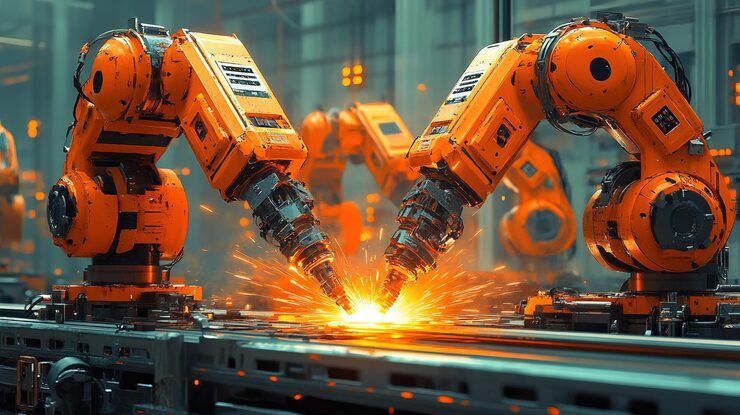
These machines exist to improve efficiency, reduce errors, and handle complex welding tasks that may be difficult or repetitive for human workers. They are now widely used in factories and workshops where large-scale production is required.
Importance
Automated Welding Machines play a significant role in modern manufacturing processes. They help industries maintain consistent quality while increasing productivity. For everyday consumers, this translates into more reliable products such as vehicles, appliances, and infrastructure components.
One major advantage is precision. Automated systems follow programmed instructions, ensuring that each weld is consistent in size, strength, and placement. This reduces the chances of defects and improves overall product quality.
Another important factor is safety. Welding involves high temperatures, sparks, and fumes, which can pose risks to human workers. Automation reduces direct exposure to these hazards by allowing machines to perform the most dangerous tasks.
Efficiency is also a key benefit. Automated Welding Machines can operate continuously with minimal interruptions, making them suitable for high-volume production environments.
Key benefits include:
- Consistent weld quality, reducing variations in production
- Improved workplace safety, by limiting human exposure to hazards
- Higher productivity, through continuous operation
- Capability to handle complex tasks, including intricate designs
Recent Updates
Recent developments in Automated Welding Machines highlight the integration of advanced technologies. One significant trend is the use of robotics. Robotic welding systems can perform precise movements and adapt to different welding patterns, making them suitable for complex manufacturing tasks.
Artificial intelligence is also being incorporated into welding systems. AI helps machines analyze data from sensors and adjust parameters in real time. This improves accuracy and reduces the likelihood of errors during operation.
Another update is the use of Internet of Things (IoT) technology. IoT-enabled machines can connect to central systems, allowing operators to monitor performance, track maintenance needs, and analyze production data remotely.
Energy efficiency has become an area of focus. Modern Automated Welding Machines are designed to use energy more effectively, reducing environmental impact while maintaining performance.
There is also a trend toward modular and flexible systems. These machines can be reprogrammed for different tasks, making them adaptable to changing production requirements.
Laws or Policies
Automated Welding Machines are subject to various safety and industrial regulations. In India, workplace safety is governed by laws such as the Factories Act, which outlines guidelines for worker protection and equipment usage.
Safety standards require proper installation, maintenance, and operation of welding equipment. These rules ensure that machines function correctly and do not pose risks to operators or surrounding environments.
Environmental regulations also play a role. Welding processes can produce fumes and emissions, so guidelines are in place to control pollution and maintain air quality within industrial settings.
Quality standards, such as those set by national and international organizations, define acceptable welding practices. These standards ensure that welded structures meet safety and performance requirements.
Training and certification policies may apply to individuals operating or supervising Automated Welding Machines. This helps ensure that equipment is used correctly and efficiently.
Tools and Resources
Various tools and resources support the use and understanding of Automated Welding Machines. These resources help operators, engineers, and learners manage processes and improve outcomes.
Common categories include:
- Programming software, used to set welding parameters and control machine operations
- Simulation tools, which allow users to test welding processes in a virtual environment
- Monitoring systems, tracking machine performance and identifying issues
- Maintenance tools, ensuring equipment remains in proper working condition
Below is a table summarizing key tools and their functions:
| Tool Category | Purpose | Example Use Case |
|---|---|---|
| Programming Software | Setting welding instructions | Defining weld paths and parameters |
| Simulation Tools | Testing processes virtually | Predicting weld outcomes |
| Monitoring Systems | Tracking performance and data | Identifying maintenance needs |
| Safety Equipment | Protecting workers | Shields, ventilation systems |
| Calibration Tools | Ensuring accuracy of machines | Adjusting welding settings |
Educational resources such as technical manuals, online courses, and training programs also help individuals understand Automated Welding Machines. These resources provide foundational knowledge and practical insights into machine operation.
FAQs
What are Automated Welding Machines?
Automated Welding Machines are systems that perform welding tasks using programmed controls and minimal human involvement. They are commonly used in industrial manufacturing.
How do Automated Welding Machines improve efficiency?
Automated Welding Machines increase efficiency by operating continuously, reducing manual effort, and maintaining consistent weld quality across production processes.
Are Automated Welding Machines safe to use?
Yes, when operated according to safety guidelines, Automated Welding Machines reduce risks by limiting human exposure to high temperatures and hazardous conditions.
What industries use Automated Welding Machines?
Industries such as automotive, construction, shipbuilding, and manufacturing commonly use Automated Welding Machines for large-scale production and complex tasks.
Can beginners learn to operate Automated Welding Machines?
Beginners can learn the basics of Automated Welding Machines through training programs, technical manuals, and guided practice. Understanding safety and programming is essential.
Conclusion
Automated Welding Machines have transformed modern manufacturing by combining precision, efficiency, and safety. They enable industries to produce consistent and reliable products while reducing manual effort. With ongoing advancements in technology, these machines continue to evolve and adapt to new industrial needs. Understanding their basics provides valuable insight into how modern production systems operate.