The development of PCB Drilling Machines is closely linked to the growth of the electronics industry. As electronic devices became smaller and more complex, the need for highly precise drilling increased. Early drilling methods were manual or semi-automatic, which limited speed and accuracy. Over time, technological advancements introduced computer-controlled systems that improved efficiency and precision.
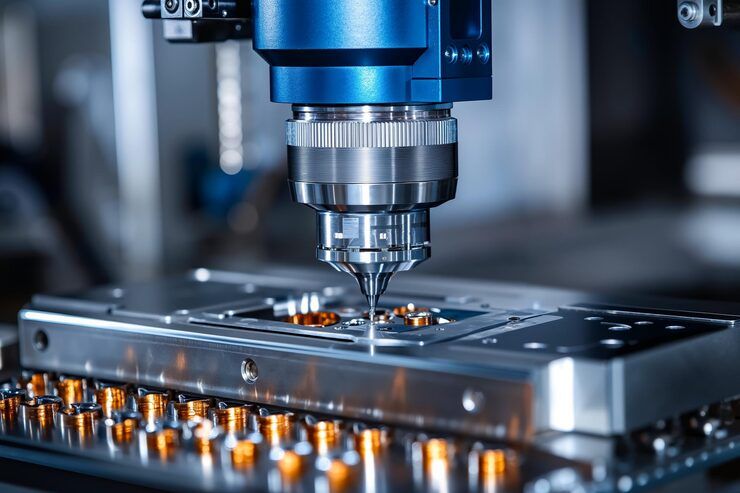
Modern PCB Drilling Machines use advanced techniques such as Computer Numerical Control (CNC) to automate drilling operations. These machines are capable of handling complex designs with very small hole sizes, making them suitable for high-density circuit boards used in smartphones, computers, and other electronic devices.
Importance
PCB Drilling Machines play a crucial role in ensuring the reliability and performance of electronic products. The holes drilled in circuit boards are used for mounting components and creating electrical pathways. Even small inaccuracies can lead to connectivity issues or device failure.
One key importance is precision. High-quality drilling ensures that each hole is placed accurately according to the design specifications. This is especially important for multilayer PCBs, where connections between layers must align perfectly.
Another important aspect is efficiency. Automated PCB Drilling Machines can process large volumes of circuit boards quickly, supporting mass production in the electronics industry. This helps maintain consistent quality across batches.
PCB Drilling Machines also contribute to product miniaturization. As electronic devices become smaller, the need for compact and densely packed circuit boards increases. Advanced drilling technology enables the creation of smaller holes, supporting compact designs.
Key benefits include:
- High precision in hole placement for reliable connections
- Improved production speed for large-scale manufacturing
- Support for complex and compact circuit designs
- Reduced risk of defects during assembly
These factors highlight the importance of PCB Drilling Machines in modern electronics production.
Recent Updates
Recent developments in PCB Drilling Machines reflect advancements in automation, speed, and accuracy. One major trend is the integration of high-speed spindles that allow faster drilling without compromising precision. These improvements help manufacturers handle increasing production demands.
Another update is the use of laser drilling technology. Laser-based systems are capable of creating extremely small holes, which are required for high-density interconnect (HDI) boards. This technology is particularly useful in industries such as telecommunications and consumer electronics.
Automation has also improved with the introduction of advanced software systems. These systems control drilling operations, optimize tool paths, and monitor machine performance in real time. This reduces errors and improves overall efficiency.
Artificial intelligence and machine learning are being explored to enhance predictive maintenance. By analyzing machine data, these technologies can identify potential issues before they lead to downtime.
Additionally, environmental considerations are becoming more important. Manufacturers are adopting energy-efficient machines and reducing material waste during the drilling process.
Laws or Policies
PCB Drilling Machines are subject to various industrial regulations and standards that ensure safety, quality, and environmental compliance. These regulations are important for maintaining consistent manufacturing practices and protecting workers.
In India, manufacturing activities are guided by industrial safety laws such as the Factories Act. These laws require proper safety measures, including machine guarding, ventilation, and worker training. Compliance ensures a safe working environment during drilling operations.
Quality standards also play a role in PCB manufacturing. International standards such as IPC guidelines define specifications for circuit board design and production. These standards ensure that drilled holes meet required tolerances and reliability criteria.
Environmental regulations are another important aspect. Manufacturers must manage waste materials, including drilling debris, in accordance with environmental protection guidelines. This helps reduce the impact of industrial processes on the environment.
Key regulatory areas include:
- Workplace safety requirements for machine operation
- Quality standards for PCB manufacturing processes
- Environmental guidelines for waste management
- Equipment maintenance and inspection protocols
These policies provide a structured framework that supports safe and responsible use of PCB Drilling Machines.
Tools and Resources
Several tools and resources support the effective use of PCB Drilling Machines. These tools help in design, operation, and maintenance, ensuring accurate and efficient drilling processes.
Design software is an important resource. PCB design tools allow engineers to create detailed layouts that specify hole positions and sizes. These designs are then used by drilling machines to perform accurate operations.
Simulation tools are also used to test drilling processes before actual production. These tools help identify potential issues and optimize drilling parameters.
Maintenance tools are essential for ensuring machine reliability. Regular inspection and calibration help maintain accuracy and extend the lifespan of drilling equipment.
Common tools and resources include:
- PCB design software for creating circuit layouts
- Simulation tools for testing drilling processes
- Machine control software for managing operations
- Maintenance systems for monitoring equipment condition
Below is a comparison of commonly used tools:
| Tool Type | Purpose | Example Use Case |
|---|---|---|
| Design Software | Create PCB layouts | Defining hole positions |
| Simulation Tools | Test drilling processes | Identifying potential errors |
| Control Software | Manage machine operations | Automating drilling sequences |
| Maintenance Systems | Monitor machine health | Scheduling inspections and calibration |
These tools enhance the performance and reliability of PCB Drilling Machines in industrial settings.
FAQs
What are PCB Drilling Machines?
PCB Drilling Machines are specialized machines used to create holes in printed circuit boards for electrical connections and component placement.
Why are PCB Drilling Machines important?
They ensure accurate hole placement, which is essential for proper electrical connections and overall device functionality.
What technologies are used in PCB Drilling Machines?
Technologies include CNC systems, high-speed spindles, and laser drilling methods that improve precision and efficiency.
How do PCB Drilling Machines support modern electronics?
They enable the production of compact and complex circuit boards required for advanced electronic devices.
What maintenance is required for PCB Drilling Machines?
Regular inspection, calibration, and cleaning are necessary to maintain accuracy and prevent machine downtime.
Conclusion
PCB Drilling Machines are a fundamental part of electronics manufacturing, enabling precise and efficient production of circuit boards. Their role has evolved with advancements in automation and laser technology, supporting complex and compact designs. Regulations and standards ensure safe and consistent operations, while tools and resources enhance performance and reliability. Overall, these machines contribute significantly to the development of modern electronic devices.