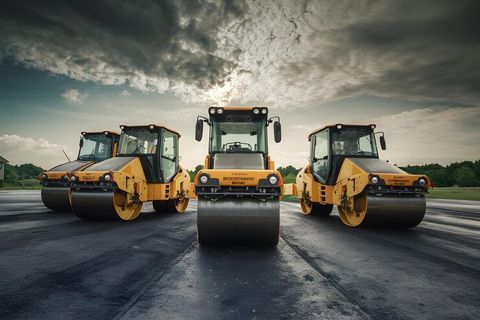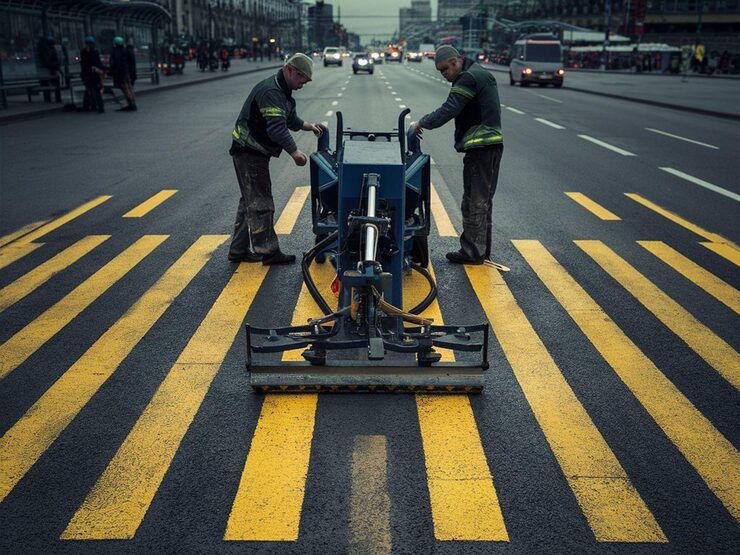
Historically, road markings were applied manually using basic tools and paints. As traffic volume increased, the need for precision, durability, and efficiency led to the development of mechanized solutions. Today, Road Marking Machines are designed to deliver consistent application, uniform thickness, and long-lasting visibility under various environmental conditions.
These machines can apply different materials such as thermoplastic paint, cold paint, or reflective coatings. Their design varies depending on the scale of work, ranging from small handheld units to large automated vehicles used for highways.
Importance
Road Marking Machines play a key role in maintaining road safety and improving visibility. Clear and well-maintained markings help reduce confusion and guide road users effectively, especially in high-traffic areas or complex intersections.
The importance of this topic extends to multiple groups, including drivers, pedestrians, road maintenance authorities, and urban planners. Without proper markings, roads can become disorganized, increasing the likelihood of accidents and delays.
Key challenges addressed include:
- Maintaining clear lane separation in busy traffic conditions
- Enhancing visibility during low-light or adverse weather
- Supporting pedestrian safety at crossings and intersections
- Providing guidance in construction zones and temporary routes
Road markings also contribute to smoother traffic flow. When drivers can easily understand road layouts, it reduces hesitation and improves overall efficiency. This makes Road Marking Machines an important part of transportation planning and maintenance.
Recent Updates
Recent developments in Road Marking Machines focus on automation, precision, and environmental considerations. Modern machines are increasingly equipped with automated control systems that ensure accurate line placement and consistent thickness.
One notable trend is the use of smart sensors and GPS-based guidance systems. These technologies help operators maintain alignment and reduce errors, especially on long stretches of highways. Automation also helps improve efficiency by reducing manual adjustments.
Another update is the shift toward eco-friendly materials. Manufacturers are exploring paints and coatings that have lower environmental impact while maintaining durability and visibility.
Other current trends include:
- Integration of programmable patterns for complex road symbols
- Improved heating systems for thermoplastic materials
- Enhanced safety features for operators
- Compact designs for urban road applications
These updates reflect the growing demand for efficient and sustainable road maintenance practices.
Laws or Policies
Road Marking Machines operate within a framework of regulations and standards that ensure safety and consistency. In countries like India, road markings are guided by standards set by authorities such as the Indian Roads Congress (IRC).
These standards define aspects such as color usage, line width, reflectivity, and placement. The goal is to create uniformity across different regions so that road users can easily understand markings regardless of location.
Key regulatory aspects include:
- Specifications for road marking materials and durability
- Guidelines for reflective properties to enhance night visibility
- Safety requirements for operators handling marking equipment
- Environmental regulations related to paint composition and emissions
Government agencies and local authorities are responsible for implementing these standards. Compliance ensures that road markings remain effective and reliable over time.
Tools and Resources
Various tools and resources support the use and maintenance of Road Marking Machines. These resources help improve accuracy, efficiency, and long-term performance of road markings.
Common tools include:
- Measurement tools for marking alignment and spacing
- Temperature control systems for thermoplastic application
- Reflectivity testing devices to assess visibility
- Maintenance manuals for machine operation and care
Digital tools are also becoming more common. Software platforms can assist in planning marking layouts and monitoring project progress.
Below is a table outlining common types of Road Marking Machines and their applications:
| Machine Type | Description | Typical Use Case |
|---|---|---|
| Manual Machines | Hand-operated equipment | Small roads and local repairs |
| Semi-Automatic Units | Require partial operator control | Medium-scale road projects |
| Fully Automatic Units | Operate with minimal manual input | Highways and large road networks |
| Thermoplastic Machines | Apply heated thermoplastic materials | Durable long-term markings |
| Airless Spray Machines | Use high-pressure spray for paint application | Fast and uniform line marking |
These tools and machine types enable efficient road marking across different environments and project sizes.
FAQs
What are Road Marking Machines used for?
Road Marking Machines are used to apply lines, symbols, and patterns on roads to guide traffic and improve visibility for drivers and pedestrians.
How do Road Marking Machines improve road safety?
They create clear and consistent markings that help road users understand lane positions, crossings, and traffic rules, reducing confusion and potential risks.
What types of materials are used with Road Marking Machines?
Common materials include thermoplastic coatings, cold paint, and reflective paints. Each type is chosen based on durability and visibility requirements.
Are Road Marking Machines suitable for all types of roads?
Yes, different types of machines are designed for various road conditions, from small urban streets to large highways and industrial areas.
How often are road markings reapplied?
The frequency depends on traffic volume, weather conditions, and material type. Regular maintenance ensures that markings remain visible and effective.
Conclusion
Road Marking Machines are essential tools for maintaining safe and organized road networks. They support clear communication between infrastructure and road users by ensuring consistent and visible markings. Advances in technology and materials continue to improve their efficiency and environmental compatibility. Understanding their role helps highlight the importance of proper road maintenance in everyday transportation.