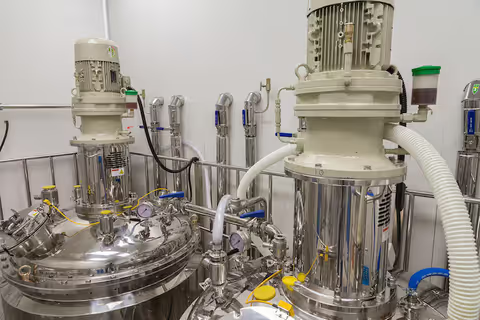
The concept of mechanized filling developed alongside industrial production. Earlier methods involved manual pouring, which often led to inconsistencies and wastage. With the growth of mass production, automated filling systems became necessary to ensure uniformity and reduce human error. Over time, Liquid Filling Machines have evolved to include advanced controls, sensors, and precision mechanisms.
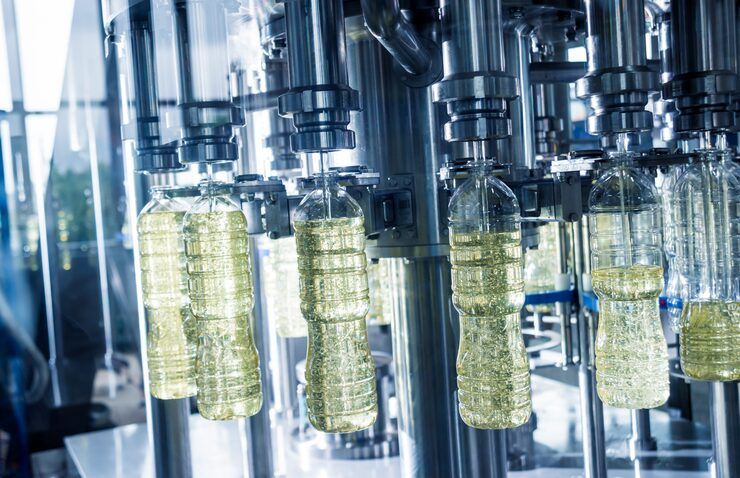
Today, these machines vary in complexity, from simple semi-automatic units to fully automated systems integrated into production lines. Their design depends on factors such as liquid type, container shape, and required output levels.
Importance
Liquid Filling Machines play a crucial role in modern manufacturing by ensuring that products are filled accurately and consistently. This consistency is important for maintaining product quality, meeting regulatory standards, and ensuring customer satisfaction.
One major advantage is efficiency. Automated filling reduces the time required to process large volumes of liquid products. It also minimizes waste by controlling the exact amount of liquid dispensed into each container.
Another important factor is hygiene. In industries such as food and pharmaceuticals, maintaining cleanliness during the filling process is essential. Machines are designed to operate in controlled environments, reducing contamination risks.
Common challenges addressed by these machines include:
- Inconsistent filling levels, which can affect product quality and packaging
- Spillage and wastage during manual handling
- Difficulty handling liquids with different viscosities, such as thick syrups or thin liquids
- Maintaining hygiene standards in sensitive production environments
By solving these issues, Liquid Filling Machines support smoother and more reliable manufacturing processes.
Recent Updates
Recent developments in Liquid Filling Machines focus on automation, precision, and adaptability. From 2024 onward, there has been increased adoption of smart technologies that improve machine performance and monitoring.
One key trend is the use of digital control systems. Modern machines often include programmable logic controllers (PLCs) and touch-screen interfaces, allowing operators to adjust settings easily. These systems help maintain accuracy and reduce downtime.
Another update is the integration of sensors and real-time monitoring. These features detect issues such as incorrect fill levels or container misalignment, allowing immediate correction. This improves overall production efficiency.
Flexibility is also a growing focus. Many machines are now designed to handle multiple container sizes and liquid types without major adjustments. This is useful for manufacturers dealing with varied product lines.
Sustainability considerations are also influencing design. Energy-efficient motors and reduced material waste are becoming common features, reflecting broader environmental awareness in industrial processes.
Laws or Policies
The use of Liquid Filling Machines is governed by regulations related to manufacturing safety, product quality, and environmental standards. In India, several regulatory bodies provide guidelines for these aspects.
For example, the Food Safety and Standards Authority of India (FSSAI) sets rules for food processing, including hygiene and packaging requirements. Machines used in food production must comply with these standards to ensure safe handling of consumable products.
In the pharmaceutical sector, guidelines from authorities such as the Central Drugs Standard Control Organization (CDSCO) emphasize precision, cleanliness, and traceability. Equipment used in this sector must meet strict quality standards.
Workplace safety regulations also apply. Machines must include safety features such as guards, emergency stop systems, and proper maintenance protocols to protect workers.
Environmental policies may require proper disposal of waste and efficient use of resources. This encourages manufacturers to adopt machines that reduce waste and energy consumption.
Tools and Resources
Understanding and operating Liquid Filling Machines can be supported by various tools and resources. These tools help improve efficiency, maintenance, and overall performance.
Common resources include:
- Digital control panels, which allow operators to set and monitor filling parameters
- Calibration tools, which ensure accurate measurement of liquid volumes
- Maintenance checklists, which help track regular inspections and servicing
- Training manuals and guides, which provide step-by-step instructions for safe operation
In addition, simulation software is sometimes used to plan production processes and test machine settings before actual operation.
The table below provides an overview of common types of Liquid Filling Machines and their characteristics:
| Machine Type | Suitable Liquid Type | Filling Method | Key Feature |
|---|---|---|---|
| Gravity Filling | Thin liquids (water, juice) | Uses gravity flow | Simple and efficient design |
| Piston Filling | Thick liquids (sauces) | Uses piston mechanism | High accuracy for viscous liquids |
| Pump Filling | Various viscosities | Uses pump system | Flexible for different products |
| Vacuum Filling | Fragile liquids | Uses vacuum pressure | Reduces spillage |
| Overflow Filling | Clear liquids | Maintains uniform level | Consistent visual appearance |
These tools and classifications help users select appropriate systems for different manufacturing needs.
FAQs
What are Liquid Filling Machines used for?
Liquid Filling Machines are used to fill liquids into containers in a controlled and consistent manner. They are commonly used in industries such as food processing, pharmaceuticals, and cosmetics.
How do Liquid Filling Machines handle different liquid types?
Different machines are designed for different viscosities. For example, gravity systems are suitable for thin liquids, while piston systems handle thicker substances more effectively.
Why are Liquid Filling Machines important in manufacturing?
They improve efficiency, reduce waste, and ensure consistent product quality. They also help maintain hygiene and meet regulatory requirements.
Can Liquid Filling Machines be adjusted for different container sizes?
Yes, many modern machines are designed to handle various container sizes with adjustable settings. This flexibility supports diverse production needs.
What maintenance is required for Liquid Filling Machines?
Regular cleaning, calibration, and inspection are important. Maintenance ensures accurate performance and reduces the risk of breakdowns.
Conclusion
Liquid Filling Machines are essential tools in modern manufacturing processes. They ensure accurate filling, improve efficiency, and support hygiene standards across various industries. With advancements in automation and design, these machines continue to adapt to changing production needs. Understanding their types and functions helps in maintaining consistent and reliable operations.