The main purpose of Washing Machines is to simplify laundry tasks and reduce the physical effort required for cleaning clothes. In earlier times, washing clothes involved manual scrubbing, rinsing, and drying, which was time-consuming and physically demanding. Modern Washing Machines now include programmable settings, sensors, and digital controls that help users manage different types of fabrics and washing needs.
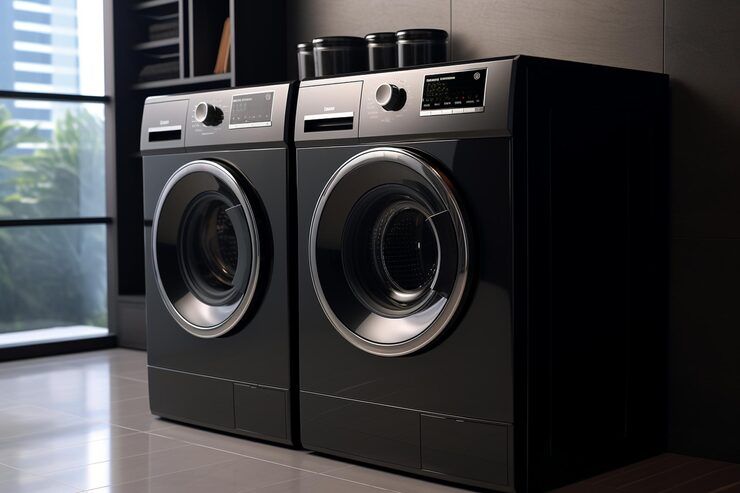
As urban lifestyles become faster and more demanding, the role of Washing Machines has become essential in homes, apartments, and shared living spaces. They support daily routines by saving time and ensuring consistent cleaning results.
Importance
Washing Machines play an important role in modern households by improving convenience and hygiene. They reduce the effort required for washing clothes and help maintain cleanliness in daily life. For families, working individuals, and students, these machines provide a practical way to manage laundry efficiently.
One key benefit is time efficiency. Washing Machines allow users to complete laundry tasks without constant supervision, enabling them to focus on other activities. Another benefit is water and energy optimization, as many modern machines are designed to use resources more efficiently compared to manual washing methods.
Washing Machines also contribute to fabric care. With multiple wash programs, users can select appropriate settings for delicate fabrics, heavy garments, or mixed loads. This helps extend the lifespan of clothing and reduces damage caused by improper washing techniques.
Additionally, improved hygiene is another important factor. Proper washing cycles help remove dirt, bacteria, and allergens from clothes, which supports overall health and cleanliness in households.
Recent Updates
Recent developments in Washing Machines reflect the broader trend of smart home technology and sustainability. Manufacturers are focusing on improving efficiency, connectivity, and user experience.
One notable trend is the integration of smart features. Many Washing Machines now connect to mobile apps, allowing users to monitor cycles, receive alerts, and adjust settings remotely. This provides greater control and flexibility in managing laundry tasks.
Another update is the use of advanced sensors. These sensors can detect load size, fabric type, and water levels, automatically adjusting the washing process. This helps optimize performance and reduces unnecessary water and energy usage.
Energy efficiency improvements are also a major focus. Modern Washing Machines are designed to meet stricter energy standards, helping reduce electricity consumption. In addition, innovations in drum design and motor technology have improved washing performance while minimizing noise and vibration.
Sustainability is another important trend. Some machines are designed to use less water and support eco-friendly washing cycles. These features align with growing awareness of environmental impact and resource conservation.
Laws or Policies
Washing Machines are influenced by various regulations and standards related to energy efficiency, safety, and environmental protection. Governments and regulatory bodies establish guidelines to ensure that appliances meet certain performance and safety criteria.
Energy labeling programs are one of the key policies affecting Washing Machines. These labels provide information about energy consumption, helping consumers understand how efficiently a machine operates. In India, for example, the Bureau of Energy Efficiency (BEE) provides star ratings for appliances, including Washing Machines.
Safety standards are also important. Electrical appliances must comply with guidelines to ensure safe operation, including proper insulation, grounding, and protection against overheating. These standards are typically set by national and international organizations.
Environmental policies also influence the design of Washing Machines. Regulations may limit water usage and encourage the development of machines that reduce environmental impact. Additionally, guidelines for recycling and disposal of electronic appliances are becoming more common.
These policies help ensure that Washing Machines are safe to use, efficient in operation, and aligned with environmental goals.
Tools and Resources
Several tools and resources can help users understand and manage Washing Machines more effectively. These resources provide information about usage, maintenance, and performance.
- Energy rating guides help users compare the efficiency of different Washing Machines and understand expected energy consumption.
- User manuals and digital guides explain how to operate machines, select wash programs, and maintain the appliance.
- Mobile applications linked to smart Washing Machines allow users to control and monitor laundry cycles remotely.
- Maintenance checklists help ensure regular cleaning of filters, drums, and detergent compartments, which supports long-term performance.
- Online troubleshooting guides provide step-by-step solutions for common issues such as drainage problems or unusual noise.
Example Comparison Table
| Feature Type | Top Load Machines | Front Load Machines |
|---|---|---|
| Loading Style | Clothes loaded from top | Clothes loaded from front |
| Water Usage | Generally higher | Generally lower |
| Washing Motion | Agitator or pulsator | Tumbling drum |
| Space Requirement | Requires vertical space | Requires front clearance |
| Fabric Care | Moderate | Gentle on fabrics |
| Energy Efficiency | Moderate | Higher efficiency |
This table highlights general differences between two common types of Washing Machines, helping users understand their features and usage.
FAQs
What are Washing Machines and how do they work?
Washing Machines are appliances that clean clothes using water, detergent, and mechanical motion. They operate through cycles that include washing, rinsing, and spinning to remove dirt and moisture from fabrics.
How do Washing Machines improve daily life?
Washing Machines simplify laundry tasks by reducing manual effort and saving time. They also provide consistent cleaning results and support better hygiene in households.
What features should be considered in Washing Machines?
Important features include wash programs, energy efficiency, load capacity, and smart controls. These features help users manage different types of laundry effectively.
Are modern Washing Machines energy efficient?
Many modern Washing Machines are designed to use less electricity and water. Energy rating labels can help users understand the efficiency level of a machine.
How often should Washing Machines be maintained?
Regular maintenance, such as cleaning the drum and filters, is recommended to ensure proper performance. Following the manufacturer’s guidelines can help extend the lifespan of the appliance.
Conclusion
Washing Machines have become an essential part of modern living by simplifying laundry tasks and improving efficiency. They combine mechanical, electrical, and digital technologies to provide reliable cleaning performance. Recent advancements have focused on smart features, energy efficiency, and sustainability. Understanding their features and functions helps users make informed decisions and maintain better hygiene in daily life.