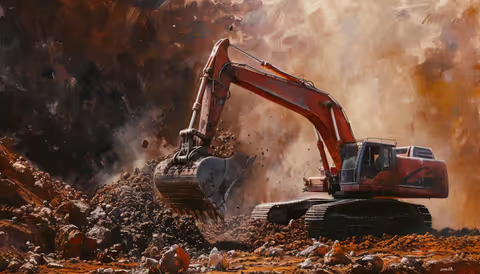
The development of tractors began with simple mechanical devices powered by steam and later evolved into fuel-powered machines. Over time, technological improvements introduced hydraulic systems, advanced engines, and electronic controls. Today, tractors are highly adaptable machines capable of supporting various farming operations.
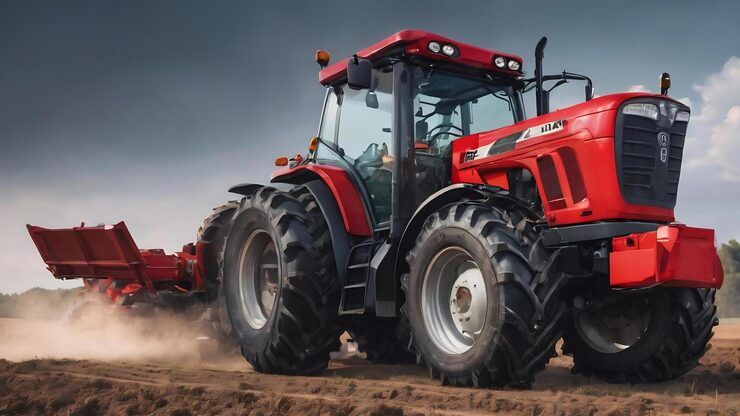
The purpose of Tractors Machine technology is to reduce manual labor and increase productivity in agricultural activities. By mechanizing tasks that once required significant physical effort, tractors allow farmers to cover larger areas in less time. This supports the growing demand for food production and efficient land use.
Importance
Tractors Machine technology plays a crucial role in modern farming systems. It directly impacts agricultural productivity, efficiency, and the ability to manage large-scale operations.
One of the main benefits is time efficiency. Tasks such as plowing and sowing can be completed much faster with tractors compared to manual methods. This allows farmers to manage seasonal activities more effectively and respond to changing weather conditions.
Another important aspect is labor reduction. Tractors reduce the need for manual labor, which can be physically demanding and time-consuming. This is particularly helpful in regions where labor availability may vary.
Tractors Machine systems also improve precision in farming. Modern tractors can be equipped with tools that help maintain consistent depth, spacing, and alignment during planting and cultivation. This leads to better crop management.
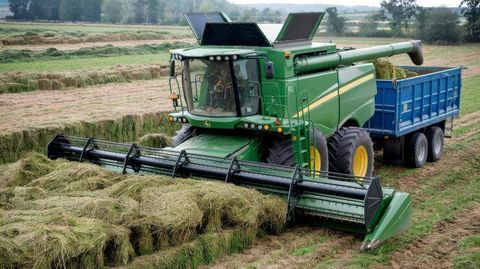
Additionally, tractors support multiple functions. They can be fitted with different attachments for various tasks, such as harvesting, spraying, and transporting goods. This versatility makes them a central component of agricultural operations.
Challenges addressed by tractors include increasing food demand, labor limitations, and the need for efficient land management. They help farmers adapt to these challenges by improving operational capacity.
Recent Updates
Recent trends in Tractors Machine technology highlight the integration of digital and smart systems. Modern tractors are increasingly equipped with GPS-based navigation, allowing for precise field operations. This helps reduce overlap and improve efficiency during tasks such as planting and fertilizing.
Automation is another key development. Some tractors now include semi-autonomous or autonomous features, enabling them to perform certain tasks with minimal human intervention. This reflects the broader shift toward smart farming practices.
Electric and hybrid tractor models are also emerging. These models aim to reduce emissions and improve energy efficiency compared to traditional fuel-powered tractors. Although still developing, they represent a shift toward more sustainable agricultural machinery.
Connectivity is becoming more common as well. Tractors can now be linked to farm management systems, allowing farmers to monitor performance, track usage, and analyze data. This supports better decision-making and resource management.
In addition, improved ergonomics and safety features are being introduced. Modern tractors often include comfortable cabins, better visibility, and advanced control systems, making them easier and safer to operate.
Laws or Policies
Tractors Machine usage is influenced by various laws and policies related to agriculture, safety, and environmental standards. In countries like India, agricultural machinery is often supported through government initiatives aimed at improving farm productivity.
Policies may include subsidies or support programs that encourage the adoption of modern agricultural equipment. These programs aim to make tractors more accessible to farmers and promote efficient farming practices.
Safety regulations are also important. Tractors must meet specific standards related to design, operation, and maintenance. These standards help ensure that the machines are safe for operators and suitable for agricultural use.
Environmental regulations may affect tractor design and usage as well. Emission standards are implemented to reduce pollution from fuel-powered engines. This has led to the development of more efficient and cleaner engines.
Additionally, policies related to land use and agricultural practices can influence how tractors are used. These policies help ensure sustainable farming and responsible resource management.
Tools and Resources
Tractors Machine systems rely on various tools and resources to enhance their functionality and performance. These tools help farmers manage operations more effectively and maintain equipment.
Common tools include:
- GPS guidance systems, which assist with accurate navigation and field mapping.
- Farm management software, which tracks activities, equipment usage, and crop data.
- Diagnostic tools, which monitor engine performance and identify potential issues.
- Attachment equipment, such as plows, seeders, and sprayers, which expand the tractor’s capabilities.
- Maintenance tracking systems, which help schedule servicing and ensure proper upkeep.
The following table outlines key tools and their functions:
| Tool Type | Main Function | Example Use Case |
|---|---|---|
| GPS Guidance Systems | Field navigation and mapping | Aligning rows during planting |
| Farm Management Software | Data tracking and analysis | Monitoring crop and equipment usage |
| Diagnostic Tools | Equipment performance monitoring | Identifying engine issues |
| Attachments | Task-specific operations | Plowing, seeding, spraying |
| Maintenance Systems | Scheduling and tracking servicing | Planning regular equipment checks |
Educational resources such as training programs and manuals also support the effective use of tractors. These resources help users understand how to operate and maintain equipment safely.
FAQs
What is a Tractors Machine?
A Tractors Machine is a mechanical vehicle used in agriculture to perform tasks such as plowing, planting, and transporting materials.
How does Tractors Machine technology improve farming?
Tractors Machine technology improves farming by increasing efficiency, reducing manual labor, and enabling precise field operations.
What are the main uses of Tractors Machine?
Tractors Machine systems are used for plowing, sowing, harvesting, spraying, and transporting agricultural products.
Are modern Tractors Machine systems automated?
Some modern Tractors Machine systems include automation features such as GPS guidance and semi-autonomous operation, which improve efficiency and accuracy.
Can Tractors Machine be used in small farms?
Yes, Tractors Machine systems are available in different sizes and can be used in both small and large farms depending on the requirements.
Conclusion
Tractors Machine technology is a fundamental part of modern agriculture, supporting efficient and productive farming practices. It reduces manual effort, improves precision, and adapts to evolving agricultural needs through technological advancements. With the integration of digital tools and sustainable innovations, tractors continue to play a central role in shaping the future of farming.