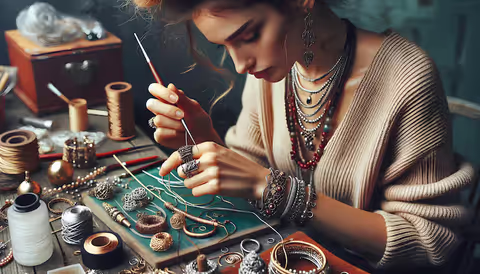
Historically, accessories were used not only for decoration but also for practical purposes. Over time, they became symbols of identity, tradition, and social expression. Today, the idea of accessorizing is widely understood as a way to enhance everyday wear without requiring a complete wardrobe change.
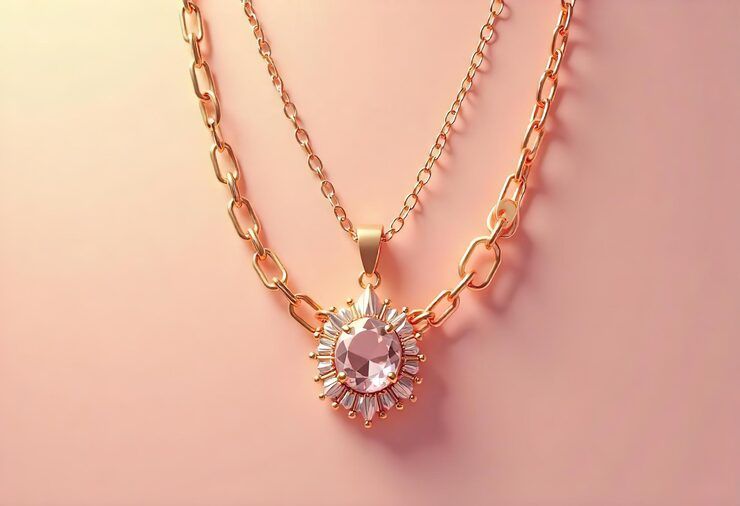
The Art of Accessorizing exists because people seek ways to express individuality and adapt outfits for different occasions. Even simple clothing can appear more polished or expressive with the right additions. This makes accessorizing a practical and creative aspect of daily dressing.
Importance
The Art of Accessorizing plays a significant role in how individuals present themselves in both personal and social settings. It affects first impressions, confidence levels, and how outfits are perceived in different environments.
For many people, accessorizing helps solve common style challenges. For example, limited clothing options can still feel versatile when paired with different accessories. A single outfit can appear suitable for work, casual outings, or events simply by changing these elements.
Key reasons why accessorizing matters include:
- Enhancing appearance: Accessories add detail and balance to outfits, preventing them from looking plain or incomplete.
- Expressing personality: Choices like bold jewelry or minimal designs reflect individual preferences and mood.
- Adapting to occasions: Subtle accessories may suit formal settings, while colorful or statement pieces fit casual situations.
- Improving confidence: A well-coordinated look often helps individuals feel more comfortable and self-assured.
In modern life, where people manage multiple roles and environments daily, accessorizing offers a flexible way to adjust style without significant effort.
Recent Updates
Recent trends in The Art of Accessorizing show a shift toward practicality, sustainability, and personalization. Fashion is becoming more inclusive and adaptable, which influences how accessories are used.
One notable trend is the focus on minimalism. Many individuals now prefer fewer but more versatile accessories that can match multiple outfits. This reduces clutter and simplifies daily decisions.
Another development is the rise of sustainable materials. Accessories made from recycled metals, natural fibers, or eco-conscious processes are becoming more common. This reflects growing awareness about environmental impact.
Technology has also influenced accessorizing. Smart accessories such as digital watches and wearable devices are now part of everyday fashion. These items combine function with style, blending technology into personal appearance.
Customization is another growing trend. People are increasingly interested in personalized items, such as engraved jewelry or handmade pieces. This allows for a more meaningful connection to what they wear.
Overall, the current trend emphasizes balance—combining style, comfort, and practicality in everyday accessorizing.
Laws or Policies
The Art of Accessorizing is influenced by certain regulations and guidelines, especially in areas such as consumer protection, material safety, and workplace standards.
In many countries, including India, regulations ensure that accessories meet safety requirements. For example, jewelry materials must comply with standards to avoid harmful substances. Hallmarking systems help verify the purity of metals like gold and silver, providing clarity to consumers.
Workplace policies also shape how accessories are used. Some organizations have dress codes that limit the type or size of accessories allowed. These rules are often designed to maintain professionalism or ensure safety, especially in environments involving machinery or physical tasks.
Import and export regulations affect the availability of certain accessories. Items made from restricted materials, such as specific animal products, may be regulated or prohibited to support conservation efforts.
Additionally, labeling rules require clear information about materials and manufacturing details. This helps individuals make informed choices and understand what they are wearing.
These policies contribute to a structured and transparent environment for both manufacturers and consumers.
Tools and Resources
Various tools and resources can help individuals understand and practice The Art of Accessorizing more effectively. These resources focus on planning, coordination, and learning.
Some commonly used tools include:
- Style planning apps: Digital platforms that allow users to organize outfits and experiment with accessory combinations.
- Color matching tools: Online guides that explain how different colors work together, helping in selecting complementary accessories.
- Wardrobe planners: Templates or digital tools that help track clothing and accessory usage for better coordination.
- Fashion blogs and educational websites: These platforms provide general insights, examples, and practical advice on accessorizing.
- Measurement guides: Tools that help determine correct sizes for items like belts, bracelets, and rings.
Below is a simple table showing common accessory types and their general purpose:
| Accessory Type | Common Purpose | Usage Example |
|---|---|---|
| Jewelry | Adds detail and elegance | Necklaces, earrings, bracelets |
| Bags | Combines function with style | Handbags, backpacks, clutches |
| Belts | Defines shape and structure | Waist belts with dresses or trousers |
| Footwear | Completes outfit and provides comfort | Shoes, sandals, boots |
| Watches | Tracks time and enhances appearance | Casual or formal wristwear |
| Scarves | Adds texture and seasonal variation | Neck scarves, wraps |
Using these resources can simplify the process of choosing accessories and improve overall coordination.
FAQs
What is The Art of Accessorizing in everyday fashion?
The Art of Accessorizing involves selecting and combining items like jewelry, bags, and footwear to enhance an outfit. It focuses on balance, coordination, and personal expression.
How can beginners learn The Art of Accessorizing?
Beginners can start by using simple combinations, such as pairing neutral outfits with one or two accessories. Observing color matching and avoiding overuse of items can help build confidence.
Why is The Art of Accessorizing important for daily wear?
It helps improve overall appearance, adapt outfits for different situations, and express personal style without needing a large wardrobe.
How many accessories should be worn at once?
The number depends on the occasion and outfit. A balanced approach, such as combining one statement item with subtle pieces, is often effective.
Can accessories change the look of an outfit?
Yes, accessories can significantly alter how an outfit appears. For example, adding formal jewelry can make a simple outfit suitable for events, while casual items can create a relaxed look.
Conclusion
The Art of Accessorizing is a practical and creative way to enhance everyday wear. It allows individuals to express their style, adapt to different situations, and make the most of their wardrobe. By understanding basic principles such as balance, color coordination, and purpose, anyone can improve their approach to accessorizing. Over time, thoughtful choices can lead to more confident and consistent personal style.