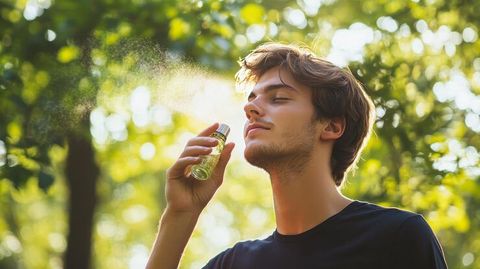
In everyday use, smelling perfumes is not limited to selecting a pleasant fragrance. It also involves recognizing different scent layers, understanding how perfumes interact with the skin, and identifying preferences based on lifestyle and environment. People often explore fragrances through sampling, testing, and comparing notes before deciding what suits them.

The concept exists because scent plays a powerful role in human perception. It influences mood, memory, and personal identity. By understanding how to approach smelling perfumes, individuals can make more informed choices and use fragrances more effectively in daily routines.
Importance
Smelling Perfumes is important because it directly affects how individuals experience and present themselves in social and personal settings. Fragrance can influence impressions, enhance confidence, and create a sense of comfort.
For many people, perfumes are part of daily grooming. Choosing a suitable scent can complement clothing, occasion, and personality. On the other hand, selecting a fragrance without understanding its composition may lead to discomfort or mismatch with surroundings.
Key reasons why smelling perfumes matters include:
- Enhancing personal presence: A well-suited fragrance can leave a subtle and lasting impression.
- Understanding scent preferences: Regular exposure helps individuals identify what types of fragrances they enjoy.
- Avoiding overuse: Proper knowledge of scent strength prevents overwhelming application.
- Adapting to environments: Certain fragrances work better in professional settings, while others suit casual or social situations.
In modern life, where interactions happen across different environments, understanding how to evaluate perfumes becomes a useful skill.
Recent Updates
Recent developments in Smelling Perfumes show a growing focus on personalization, sustainability, and health awareness. These trends are shaping how people explore and use fragrances.
One noticeable trend is the rise of personalized fragrances. Many individuals now prefer scents that reflect their unique identity rather than widely used options. This has increased interest in niche blends and customizable perfume experiences.
Sustainability is also becoming important. Manufacturers are exploring eco-conscious packaging and responsibly sourced ingredients. This shift reflects broader awareness about environmental impact.
Another development is the use of technology in fragrance discovery. Digital tools and mobile applications now help users identify scent notes and track preferences. These platforms provide guidance on how different perfumes evolve over time.
There is also increased awareness about sensitivity to fragrances. People are paying more attention to how perfumes affect skin and breathing, leading to a preference for lighter and more balanced compositions.
Overall, the trend is moving toward thoughtful and informed use of perfumes rather than casual selection.
Laws or Policies
The use and production of perfumes are influenced by regulations related to safety, labeling, and consumer protection. These rules help ensure that fragrances are safe for everyday use.
In many countries, including India, perfumes must comply with standards set by regulatory bodies. Ingredients are monitored to avoid harmful substances, and manufacturers are required to provide accurate labeling. This includes listing components that may cause allergies or irritation.
Import regulations also affect the availability of certain fragrances. Products must meet quality and safety guidelines before entering the market. This ensures consistency and protects consumers from unsafe formulations.
Workplace guidelines may also influence perfume usage. Some environments encourage minimal or no fragrance use to accommodate individuals with sensitivities. These policies aim to create a comfortable shared space.
Environmental policies are increasingly relevant as well. Restrictions on certain chemicals and packaging materials encourage more sustainable practices in the fragrance industry.
These laws and policies create a structured framework that supports safe and responsible use of perfumes.
Tools and Resources
Several tools and resources can help individuals understand Smelling Perfumes more effectively. These tools focus on learning about scent composition, testing methods, and personal preferences.
Common resources include:
- Fragrance note charts: These charts explain categories such as floral, woody, citrus, and oriental scents.
- Scent testing strips: Paper strips used to sample perfumes without direct skin application.
- Digital fragrance guides: Online platforms that describe perfume compositions and user experiences.
- Mobile apps: Applications that help track preferences and suggest similar scent profiles.
- Storage guides: Resources explaining how to preserve perfume quality over time.
Below is a simple table explaining different perfume note types and their characteristics:
| Note Type | Description | Duration on Skin |
|---|---|---|
| Top Notes | Initial scent noticed after application | Short (minutes to 1 hour) |
| Middle Notes | Main body of the fragrance | Moderate (2–4 hours) |
| Base Notes | Deep and lasting scent | Long (several hours) |
Understanding these note types helps individuals evaluate perfumes more accurately and predict how a fragrance will develop throughout the day.
FAQs
What does Smelling Perfumes mean in daily life?
It refers to the process of testing and understanding fragrances to find suitable options for personal use. It includes recognizing scent layers and how they interact with the skin.
How can beginners improve their Smelling Perfumes skills?
Beginners can start by testing perfumes on paper strips and then on skin. Taking time to observe how the scent changes helps build understanding.
Why do perfumes smell different on different people?
Perfumes interact with body chemistry, skin type, and temperature. These factors can change how a fragrance develops and lasts.
How many perfumes should be tested at once?
It is usually easier to test a limited number at a time. This helps avoid confusion and allows clearer comparison between scents.
Is Smelling Perfumes important before daily use?
Yes, testing a perfume helps ensure it suits personal preference and environment. It also helps avoid selecting a fragrance that feels too strong or unsuitable.
Conclusion
Smelling Perfumes is an important part of choosing and using fragrances in everyday life. It helps individuals understand scent composition, identify preferences, and apply perfumes appropriately. With growing awareness of personalization and sustainability, people are becoming more thoughtful in their approach to fragrances. By learning basic principles and using available tools, anyone can develop a better understanding of perfumes and their role in daily routines.