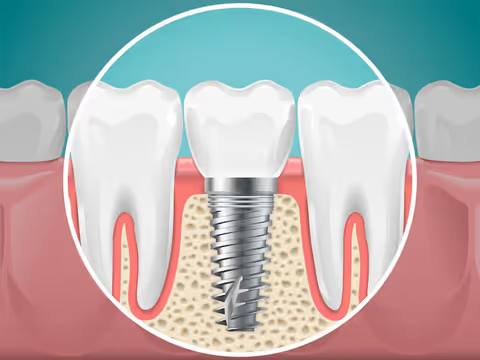
The concept of replacing teeth dates back many years, but earlier methods were less durable and often uncomfortable. Advances in dental science and materials have made Dental Implants a widely used option for restoring oral function and appearance. They are now part of routine dental care in many parts of the world.
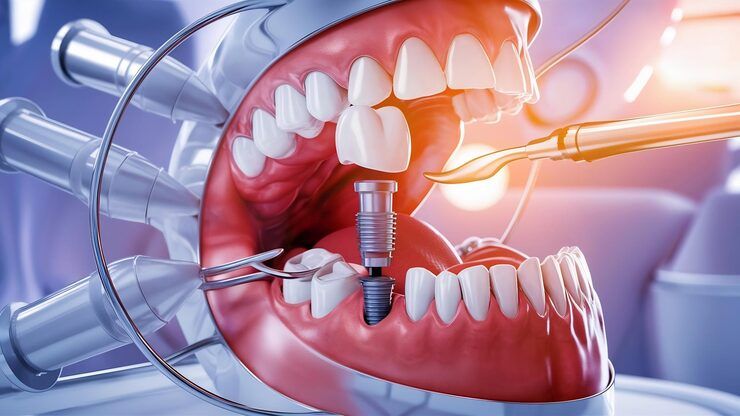
The main purpose of Dental Implants is to provide a stable and long-lasting alternative to traditional tooth replacement methods. They are designed to mimic the structure and function of natural teeth, allowing individuals to chew, speak, and maintain facial structure more effectively.
Importance
Dental Implants play an important role in maintaining oral health and overall well-being. Missing teeth can lead to several issues, including difficulty in eating, changes in speech, and shifting of surrounding teeth. Over time, bone loss can occur in the area where the tooth is missing, which may affect facial appearance.
One key benefit of Dental Implants is their ability to support bone health. Since the implant integrates with the jawbone, it helps maintain bone density and prevents further deterioration. This is different from some other tooth replacement methods that do not provide the same level of support.
For many individuals, Dental Implants also improve comfort and confidence. They are fixed in place and do not move like removable dentures, which can sometimes cause discomfort. This stability allows for more natural use of the mouth in daily activities.
In addition, Dental Implants can improve long-term oral hygiene. They do not require special adhesives and can be cared for similarly to natural teeth, making them easier to maintain with regular brushing and cleaning routines.
Recent Updates
Recent developments in Dental Implants have focused on improving precision, safety, and patient outcomes. One significant trend is the use of digital imaging and 3D scanning technology. These tools help dental professionals plan procedures more accurately by providing detailed views of the jawbone and surrounding structures.
Another development is the introduction of advanced materials and surface treatments. These improvements enhance the bonding process between the implant and the bone, reducing healing time and increasing stability.
Minimally invasive techniques have also become more common. These approaches aim to reduce discomfort and recovery time by using smaller incisions and precise placement methods. This makes the procedure more manageable for many patients.
Immediate loading techniques are another area of progress. In certain cases, a temporary tooth can be placed on the implant shortly after insertion, reducing the waiting period between stages.
Additionally, there is growing interest in personalized treatment planning, where dental professionals tailor procedures based on individual needs, bone structure, and health conditions.
Laws or Policies
Dental Implants are regulated under healthcare laws and professional standards to ensure patient safety and treatment quality. In India, dental practices are governed by the Dental Council of India (DCI), which sets guidelines for education, training, and professional conduct.
Only qualified dental professionals are allowed to perform implant procedures. This ensures that individuals receive treatment from trained and certified practitioners. Clinics are also expected to follow hygiene and sterilization standards to prevent infections.
Medical device regulations apply to the materials used in Dental Implants. These materials must meet safety and quality standards before they can be used in clinical settings. This includes testing for durability, compatibility with the human body, and long-term performance.
Patient consent is another important aspect. Individuals must be informed about the procedure, potential risks, and expected outcomes before undergoing treatment. This helps ensure transparency and ethical practice.
Government health programs may also include awareness initiatives about oral health, encouraging individuals to seek proper care and treatment when needed.
Tools and Resources
Several tools and resources support the planning, placement, and maintenance of Dental Implants. These tools help dental professionals perform procedures accurately and assist patients in understanding their treatment options.
Common tools include:
- Diagnostic imaging tools such as X-rays and 3D scanners, which provide detailed views of the jaw and teeth
- Implant planning software, which helps map the exact placement of implants
- Surgical guides, which assist in precise positioning during the procedure
- Oral hygiene tools, which help maintain implant health after placement
- Educational platforms, which provide information about dental procedures and care
Below is a comparison of key components involved in Dental Implants:
| Component | Description | Function |
|---|---|---|
| Implant Post | Titanium screw placed in the jawbone | Acts as the root of the artificial tooth |
| Abutment | Connector placed on top of the implant | Holds the replacement tooth |
| Crown | Visible artificial tooth | Restores appearance and function |
| Surgical Guide | Custom template used during placement | Ensures accurate positioning |
| Imaging Tools | X-rays and 3D scans | Helps in diagnosis and planning |
These tools contribute to safer procedures and more predictable outcomes, making Dental Implants a structured and well-supported treatment option.
FAQs
What are Dental Implants and how do they work?
Dental Implants are artificial tooth roots placed into the jawbone. They work by bonding with the bone and supporting a replacement tooth, providing stability and function similar to natural teeth.
Who can consider Dental Implants?
Most adults with healthy gums and sufficient bone structure may consider Dental Implants. However, individual suitability depends on overall health and dental condition, which should be evaluated by a professional.
How long do Dental Implants last?
Dental Implants are designed for long-term use. With proper care and maintenance, they can remain functional for many years, although outcomes vary depending on oral hygiene and lifestyle factors.
Are Dental Implants safe?
Dental Implants are generally considered safe when performed by qualified professionals. They follow established medical guidelines and use materials that are compatible with the human body.
How should Dental Implants be maintained?
Maintenance includes regular brushing, cleaning between teeth, and routine dental check-ups. Good oral hygiene helps ensure the longevity and health of the implant.
Conclusion
Dental Implants provide a structured approach to replacing missing teeth by combining modern materials and medical techniques. They support oral function, help maintain bone health, and contribute to overall well-being. Recent advancements have improved precision and recovery, making the process more accessible to many individuals. Regulations and professional standards ensure that treatments are performed safely. Overall, Dental Implants represent an important development in long-term dental care.
Disclaimer
This article is provided for informational purposes only. It is not intended as medical advice, diagnosis, or treatment guidance. Individuals should consult a qualified dental professional for personalized evaluation and care.