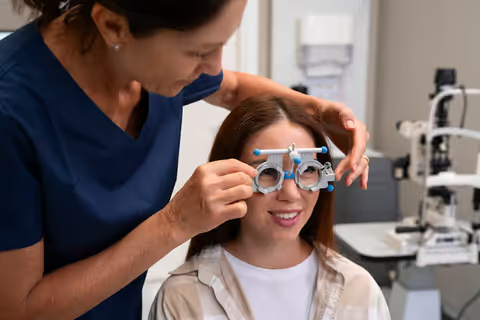
The human eye relies on a clear lens to focus light onto the retina. When this lens becomes cloudy, vision may appear blurred, dim, or less colorful. Cataract Surgery involves removing the cloudy lens and replacing it with an artificial lens, known as an intraocular lens (IOL), to restore clarity.
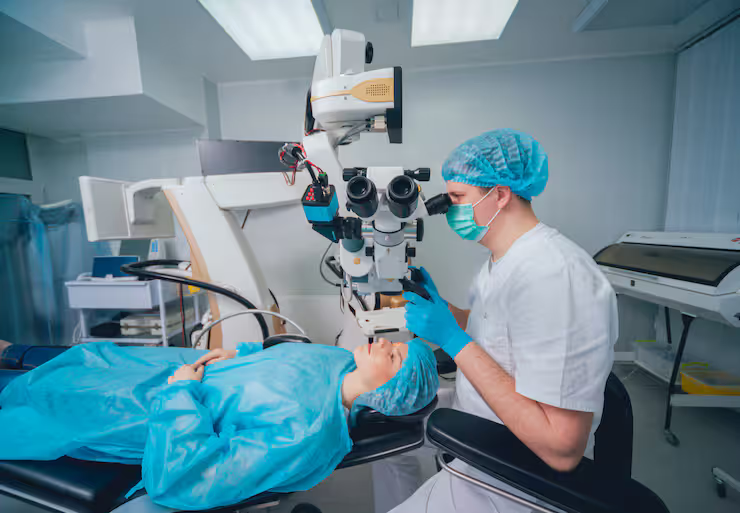
Historically, cataract treatment involved more invasive methods with longer recovery times. Over time, advancements in medical technology have made Cataract Surgery more precise and widely accessible. Today, it is one of the most commonly performed eye procedures globally, helping individuals regain functional vision.
Importance
Cataract Surgery plays a key role in maintaining eye health and quality of life. Vision is essential for daily activities such as reading, driving, and recognizing faces. When cataracts progress, they can significantly reduce independence and increase the risk of accidents.
One important aspect of Cataract Surgery is its ability to restore vision clarity. By replacing the cloudy lens, the procedure helps improve brightness, contrast, and color perception. This can enhance overall comfort in daily life.
The procedure also supports safety. Reduced vision due to cataracts can make tasks like walking or using stairs more difficult. Restoring vision helps reduce these risks and supports mobility.
In addition, Cataract Surgery can contribute to better mental well-being. Vision impairment can sometimes lead to social withdrawal or reduced confidence. Improved eyesight often helps individuals stay engaged in activities and maintain independence.
For aging populations, access to Cataract Surgery is especially important, as cataracts are a common age-related condition. Addressing this issue can improve overall public health outcomes.
Recent Updates
Recent developments in Cataract Surgery focus on improving accuracy, recovery, and patient comfort. One significant trend is the use of advanced imaging and diagnostic tools. These tools allow eye specialists to measure the eye more precisely and select suitable intraocular lenses.
Another advancement is the use of laser-assisted techniques. Laser technology can assist in certain steps of the procedure, such as creating precise incisions and softening the cataract before removal. This can enhance consistency in surgical outcomes.
Intraocular lens technology has also evolved. Modern lenses are designed to address different vision needs, including distance and near vision. Some lenses aim to reduce dependence on corrective eyewear after surgery.
Minimally invasive methods are now more common, leading to shorter recovery times and less discomfort. Smaller incisions and improved techniques allow the eye to heal more quickly.
Digital planning tools are also being used to customize procedures based on individual eye characteristics. This approach supports more tailored treatment strategies.
Laws or Policies
Cataract Surgery is regulated under healthcare laws to ensure patient safety and quality treatment. In India, eye care practices are overseen by medical councils and regulatory bodies that establish standards for training, certification, and clinical procedures.
Only qualified ophthalmologists are authorized to perform Cataract Surgery. These professionals undergo specialized training to handle eye conditions and surgical procedures safely.
Medical devices such as intraocular lenses must comply with safety standards before being used in patients. Regulatory authorities ensure that these devices meet quality and compatibility requirements.
Patient rights and informed consent are important aspects of medical practice. Individuals must be provided with clear information about the procedure, potential risks, and expected outcomes before undergoing Cataract Surgery.
Government health programs often include initiatives to improve access to eye care, especially in rural or underserved areas. These programs may support awareness campaigns and provide access to essential treatments.
Tools and Resources
Various tools and resources are used in the planning and execution of Cataract Surgery. These tools help ensure precision and support better outcomes for patients.
Common tools include:
- Diagnostic imaging systems, such as slit-lamp examinations and optical coherence tomography, which help assess the condition of the eye
- Biometry devices, which measure the eye to determine the appropriate intraocular lens
- Phacoemulsification machines, which use ultrasound energy to break up and remove the cloudy lens
- Laser systems, which assist in certain steps of the procedure
- Post-surgery care tools, which help monitor healing and maintain eye health
Below is a comparison of key components involved in Cataract Surgery:
| Component | Description | Function |
|---|---|---|
| Natural Lens | Original eye lens that becomes cloudy | Focuses light onto the retina |
| Intraocular Lens (IOL) | Artificial lens implanted in the eye | Restores clear vision |
| Phacoemulsification Tool | Ultrasound device used during surgery | Breaks and removes the cloudy lens |
| Laser System | Advanced surgical tool | Assists with precise incisions |
| Diagnostic Equipment | Imaging and measurement devices | Helps in planning the procedure |
Educational resources, including health websites and patient guides, also help individuals understand the procedure and prepare for consultations with eye specialists.
FAQs
What is Cataract Surgery and how does it work?
Cataract Surgery is a procedure that removes the cloudy lens of the eye and replaces it with an artificial lens. This helps restore clear vision and improve overall eye function.
Who may need Cataract Surgery?
Individuals who experience significant vision problems due to cataracts may be considered for Cataract Surgery. A qualified eye specialist can determine whether the procedure is appropriate based on eye health and vision needs.
How long does recovery take after Cataract Surgery?
Recovery time varies, but many individuals notice improvement in vision within a few days. Full healing may take a few weeks, depending on individual factors and adherence to care instructions.
Are there different types of Cataract Surgery?
Yes, Cataract Surgery can be performed using different techniques, including traditional methods and laser-assisted approaches. The choice depends on medical evaluation and available technology.
Is Cataract Surgery safe?
Cataract Surgery is generally considered safe when performed by trained professionals using approved medical equipment. Following post-procedure care guidelines is important for proper healing.
Conclusion
Cataract Surgery is an important medical procedure that helps restore vision by replacing a cloudy lens with an artificial one. It supports daily functioning, safety, and overall well-being. Advances in technology have improved precision and recovery, making the procedure more effective for many individuals. Regulations and medical standards ensure that treatments are carried out safely. Understanding the basics of Cataract Surgery can help individuals make informed decisions about eye health.