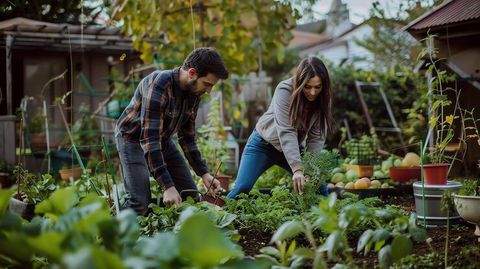
Organic Farming Techniques Understand Natural Farming Methods
Organic Farming Techniques refer to methods of growing crops and raising livestock using natural processes instead of synthetic chemicals or artificial inputs. These techniques have roots in traditional agricultural practices that existed long before modern industrial farming methods became common.
The idea behind Organic Farming Techniques is to work with natural systems rather than altering them through chemical interventions. Farmers rely on soil health, biodiversity, and ecological balance to maintain productivity. This approach focuses on using compost, natural fertilizers, crop rotation, and biological pest control.
The need for these methods has grown due to concerns about soil degradation, environmental impact, and food quality. As agriculture expanded rapidly, the use of chemical fertilizers and pesticides increased, leading to long-term challenges such as soil fertility loss and water pollution. Organic Farming Techniques aim to address these issues through sustainable practices.
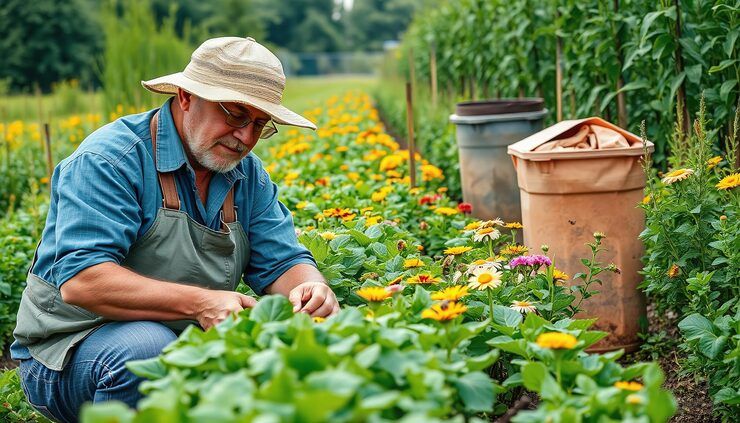
Importance
Organic Farming Techniques are important because they support environmental sustainability, improve soil health, and promote safer food systems. These methods are relevant for farmers, consumers, and communities that depend on agriculture for livelihood and nutrition.
For farmers, these techniques help maintain long-term soil productivity by enhancing organic matter and microbial activity. For consumers, they are associated with food produced without synthetic chemical residues. For ecosystems, they reduce pollution and protect biodiversity.
Key challenges addressed include:
- Soil degradation and nutrient imbalance, where organic methods rebuild soil structure through composting and natural inputs
- Water contamination from chemical runoff, which is minimized through reduced chemical usage
- Loss of biodiversity, addressed by encouraging diverse crops and natural habitats
- Dependence on external inputs, reduced through local and natural resource use
Organic Farming Techniques also contribute to climate resilience by improving soil moisture retention and reducing greenhouse gas emissions from synthetic fertilizers.
Recent Updates
Recent developments in Organic Farming Techniques show a growing integration of traditional knowledge with modern technology. Farmers are increasingly using data-driven tools to monitor soil health and crop performance while maintaining organic standards.
Another trend is the expansion of regenerative agriculture practices, which go beyond organic farming by focusing on restoring ecosystems and improving carbon storage in soil. Techniques such as no-till farming and cover cropping are gaining attention.
Urban and small-scale organic farming is also becoming more common. Rooftop gardens, community farms, and controlled-environment agriculture are being adapted to organic principles.
There is also a rise in certification awareness and traceability systems. Digital platforms are being used to track organic produce from farm to market, helping ensure transparency in production methods.
Laws or Policies
Organic Farming Techniques are guided by agricultural standards and certification systems designed to ensure that farming practices follow defined organic principles.
In India, organic farming is regulated through frameworks such as:
- National Programme for Organic Production (NPOP), which sets standards for organic certification
- Participatory Guarantee System (PGS), a community-based certification approach for small farmers
- Agricultural policies that encourage sustainable farming and reduced chemical input usage
These systems define rules for soil management, pest control, crop production, and labeling. Farmers must follow specific guidelines to ensure that their practices meet organic standards.
Government initiatives also promote organic farming through training programs, awareness campaigns, and support for sustainable agriculture practices.
Tools and Resources
Several tools and resources support the adoption and management of Organic Farming Techniques. These resources help farmers plan, monitor, and improve their practices.
Common tools include:
- Soil testing kits, used to assess nutrient levels and soil health
- Composting systems, which convert organic waste into natural fertilizers
- Irrigation tools such as drip systems, supporting efficient water use
- Mobile applications that track weather patterns, crop cycles, and pest activity
- Agricultural extension platforms that provide guidance on organic practices
In addition, training programs and educational materials help farmers understand methods such as crop rotation, intercropping, and natural pest management.
Common Organic Farming Techniques
Organic Farming Techniques include a range of practices that work together to maintain soil fertility and ecological balance.
Below is a simple comparison of key techniques and their purpose:
| Technique | Description | Purpose |
|---|---|---|
| Crop rotation | Changing crops in a sequence over seasons | Prevents soil nutrient depletion |
| Composting | Decomposing organic waste into fertilizer | Improves soil fertility |
| Green manure | Growing plants and mixing them into soil | Adds nutrients and organic matter |
| Biological control | Using natural predators to control pests | Reduces pest damage without chemicals |
| Mulching | Covering soil with organic materials | Conserves moisture and controls weeds |
| Intercropping | Growing multiple crops together | Enhances biodiversity and soil use |
These techniques are often combined to create a balanced and productive farming system.
FAQs
What are Organic Farming Techniques?
Organic Farming Techniques are natural methods used to grow crops and raise livestock without synthetic chemicals. They focus on soil health, ecological balance, and sustainable resource use.
Why are Organic Farming Techniques important?
These techniques help protect the environment, improve soil quality, and support sustainable food production. They also reduce pollution and promote biodiversity.
How do Organic Farming Techniques control pests?
Pest control is managed through biological methods such as natural predators, crop diversity, and plant-based treatments instead of chemical pesticides.
Can Organic Farming Techniques produce enough food?
Organic Farming Techniques can produce sufficient food when managed properly. Productivity depends on soil health, crop selection, and effective farming practices.
What tools are used in Organic Farming Techniques?
Tools include soil testing kits, composting systems, irrigation methods, and digital applications for monitoring crops and environmental conditions.
Conclusion
Organic Farming Techniques provide a sustainable approach to agriculture by focusing on natural processes and ecological balance. These methods improve soil health, reduce environmental impact, and support long-term productivity. Recent developments show a combination of traditional practices and modern tools enhancing efficiency. Policies and certification systems help maintain standards and ensure transparency. Overall, these techniques play an important role in shaping a more sustainable agricultural future.

Related Post...


Fundamentals of Cybersecurity Details for System Security Concepts
Updated: April 22, 2026
Read More