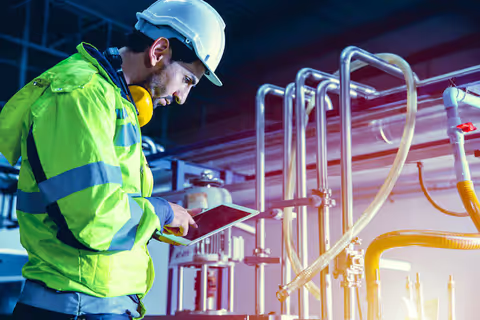
Historically, gas detection relied on manual checks or basic instruments. Over time, advancements in sensor technology and digital systems have improved how industries monitor air quality. Today, Industrial Gas Monitoring Services involve automated systems, real-time alerts, and integrated safety protocols that aim to reduce risks and maintain safe working conditions.
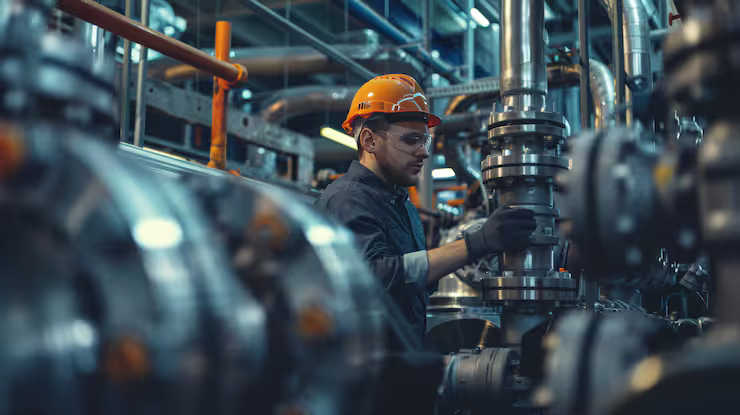
These monitoring methods are commonly used in sectors such as manufacturing, oil and gas, mining, chemical processing, and energy production. Understanding how these systems work helps individuals and organizations recognize their role in maintaining safe and compliant environments.
Importance
Protecting Worker Health
Exposure to harmful gases can lead to serious health issues, including respiratory problems, dizziness, or long-term illnesses. Industrial Gas Monitoring Services help detect unsafe levels early, allowing workers to take appropriate precautions.
Preventing Accidents
Gas leaks or accumulation of flammable gases can lead to explosions or fires. Monitoring systems provide alerts when gas levels exceed safe thresholds, reducing the risk of accidents.
Supporting Regulatory Compliance
Many industries are required to follow safety regulations related to air quality and hazardous substances. Proper monitoring ensures compliance with these standards, helping organizations avoid penalties and maintain operational continuity.
Enhancing Operational Efficiency
Accurate monitoring can also support efficient operations. For example, detecting leaks early can prevent resource loss and reduce downtime caused by safety incidents.
Addressing Environmental Concerns
Gas emissions can impact the environment. Monitoring systems help track emissions and ensure that industries follow environmental guidelines, contributing to sustainable practices.
Recent Updates
Integration with Smart Technologies
Recent developments show increased use of smart sensors and connected devices in Industrial Gas Monitoring Services. These systems can transmit data in real time, allowing remote monitoring through digital dashboards.
Use of Artificial Intelligence
Artificial intelligence is being used to analyze gas data patterns. This helps predict potential risks and identify unusual changes in gas levels before they become hazardous.
Portable Monitoring Devices
There is a growing trend toward portable gas detectors that workers can carry. These devices provide personal safety by alerting individuals to immediate dangers in their surroundings.
Cloud-Based Data Storage
Modern monitoring systems often store data in cloud platforms. This allows organizations to access historical data, analyze trends, and improve safety strategies over time.
Improved Sensor Accuracy
Advancements in sensor technology have led to more accurate and reliable gas detection. This improves the overall effectiveness of monitoring systems.
Laws or Policies
Occupational Safety Regulations
In many countries, workplace safety laws require monitoring of hazardous gases. In India, regulations under the Factories Act and guidelines from the Directorate General Factory Advice Service and Labour Institutes (DGFASLI) emphasize maintaining safe working conditions.
Environmental Protection Rules
Environmental laws regulate emissions of harmful gases into the atmosphere. Industries must monitor and control emissions to meet these standards.
Hazardous Chemical Handling Guidelines
Rules related to handling hazardous chemicals often include requirements for gas detection systems. These guidelines help prevent accidental releases and ensure proper safety measures.
International Standards
Global standards such as those from the International Organization for Standardization (ISO) and Occupational Safety and Health Administration (OSHA) provide frameworks for gas monitoring practices. These standards influence local regulations and industry practices.
Compliance and Reporting
Industries are often required to maintain records of gas levels and incidents. Monitoring systems help generate reports that support compliance with regulatory requirements.
Tools and Resources
Gas Detection Devices
Various types of gas detectors are used in Industrial Gas Monitoring Services. These include fixed detectors installed in specific locations and portable detectors carried by workers.
Monitoring Software Platforms
Software platforms help collect and analyze data from sensors. These tools provide visual dashboards, alerts, and reports for better decision-making.
Calibration Tools
Gas detectors need regular calibration to maintain accuracy. Calibration tools and kits ensure that devices provide reliable readings.
Data Logging Systems
Data loggers record gas levels over time. This information helps in identifying trends and evaluating safety measures.
Training Materials
Educational resources such as manuals, safety guidelines, and online courses help workers understand how to use monitoring equipment and respond to alerts.
Comparison of Common Gas Monitoring Methods
| Method Type | Description | Typical Use Case |
|---|---|---|
| Fixed Monitoring | Installed sensors in specific locations | Continuous area monitoring |
| Portable Monitoring | Handheld or wearable devices | Personal safety checks |
| Remote Monitoring | Connected systems with real-time data access | Large industrial facilities |
| Multi-Gas Detection | Detects multiple gases simultaneously | Complex environments |
| Single-Gas Detection | Focuses on one specific gas | Targeted monitoring tasks |
FAQs
What are Industrial Gas Monitoring Services used for?
Industrial Gas Monitoring Services are used to detect and measure gas levels in workplaces. They help identify harmful or flammable gases and support safe working conditions.
How do Industrial Gas Monitoring Services improve safety?
These systems provide real-time alerts when gas levels become unsafe. This allows workers to take action quickly, reducing the risk of exposure, accidents, or equipment damage.
What types of gases are monitored in industrial settings?
Common gases include oxygen, carbon monoxide, methane, hydrogen sulfide, and ammonia. The specific gases monitored depend on the industry and processes involved.
Are Industrial Gas Monitoring Services required by law?
In many industries, regulations require monitoring of hazardous gases. Compliance with safety and environmental laws often includes using appropriate monitoring systems.
How often should gas monitoring equipment be checked?
Equipment should be checked regularly to ensure accuracy. This includes routine inspections, calibration, and maintenance based on manufacturer guidelines and safety standards.
Conclusion
Industrial Gas Monitoring Services play a significant role in maintaining safe and efficient work environments. They help detect harmful gases, prevent accidents, and support compliance with safety regulations. Advances in technology have improved the accuracy and accessibility of monitoring systems, making them more effective across different industries. Understanding these systems helps individuals and organizations make informed decisions about workplace safety and environmental responsibility.