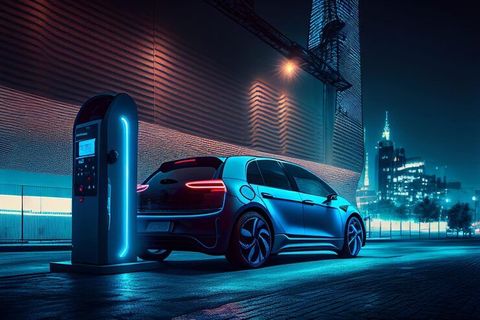
The development of this technology has been influenced by concerns about air pollution, fuel dependency, and climate change. Governments, researchers, and industries have worked together to improve battery performance, driving range, and energy efficiency. Today, electric vehicles are becoming a visible part of transportation systems in many countries.
Understanding Electric Car Technology helps general readers become aware of how these vehicles function and how they differ from conventional vehicles. It also provides insight into the broader shift toward cleaner energy solutions.
Importance
Electric Car Technology plays a significant role in addressing environmental and energy challenges. One of the key reasons it matters is its potential to reduce harmful emissions. Traditional vehicles release gases that contribute to air pollution, while electric vehicles produce no exhaust emissions during operation.
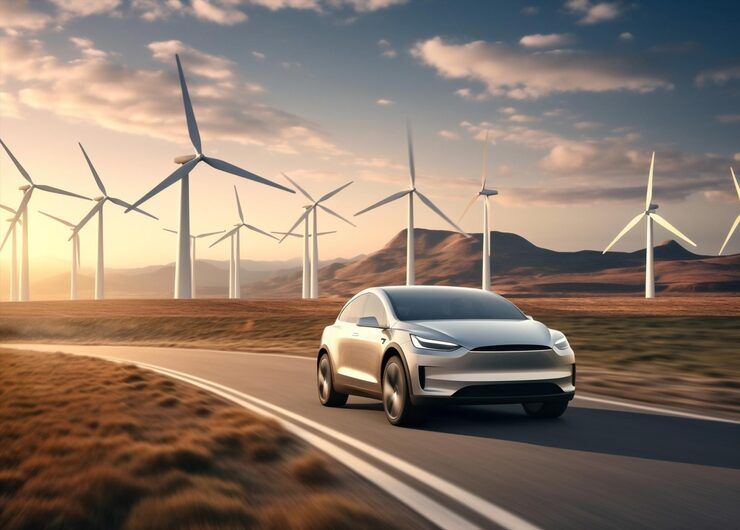
Another important aspect is energy efficiency. Electric motors convert a higher percentage of energy into motion compared to internal combustion engines. This leads to more efficient use of energy resources. Additionally, electric vehicles can be powered by renewable energy sources such as solar or wind, further supporting sustainable practices.
This technology affects various groups, including urban commuters, policymakers, and industries. For individuals, it offers an alternative mode of transport that may align with environmental goals. For governments, it supports efforts to reduce pollution levels and improve public health.
Key challenges addressed by Electric Car Technology include:
- Air pollution reduction – decreasing emissions in urban areas
- Energy diversification – reducing dependence on fossil fuels
- Noise reduction – quieter operation compared to fuel-based engines
- Technological innovation – encouraging research in batteries and electronics
Recent Updates
Recent trends in Electric Car Technology show continuous improvement in performance and usability. One noticeable development is the advancement in battery technology. Modern batteries are designed to store more energy while becoming lighter and more durable. This has helped increase the driving range of electric vehicles.
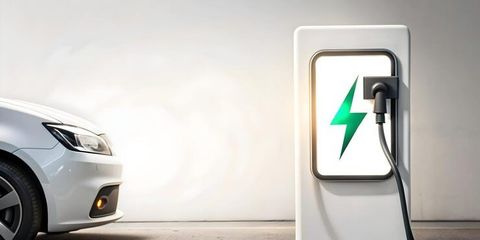
Another trend is the expansion of charging infrastructure. More charging stations are being installed in cities, highways, and residential areas. Faster charging systems are also being developed, reducing the time required to recharge a vehicle.
Automation and connectivity are also becoming part of Electric Car Technology. Vehicles now often include smart features such as remote monitoring, navigation integration, and software updates. These features enhance the user experience and improve efficiency.
There is also a growing focus on recycling and sustainability. Manufacturers are exploring ways to reuse battery materials and reduce environmental impact throughout the vehicle lifecycle.
Laws or Policies
Electric Car Technology is influenced by government regulations and policies, especially in countries like India. These policies aim to promote cleaner transportation and reduce emissions.
In India, initiatives such as the Faster Adoption and Manufacturing of Electric Vehicles (FAME) program encourage the use of electric vehicles. This program supports infrastructure development and promotes awareness of electric mobility.
Environmental regulations also play a role. Standards for vehicle emissions push industries to adopt cleaner technologies, including electric systems. Additionally, policies related to renewable energy support the integration of electric vehicles with sustainable power sources.
Safety regulations are another important aspect. Electric vehicles must meet standards related to battery safety, electrical systems, and crash protection. These rules ensure that Electric Car Technology remains reliable and safe for public use.
Tools and Resources
Various tools and resources help individuals and organizations understand and use Electric Car Technology more effectively. These resources provide information, planning support, and technical insights.
Some commonly used tools include:
- Energy consumption calculators – estimate electricity usage for electric vehicles based on distance and driving habits
- Charging station locator apps – help users find nearby charging points
- Vehicle comparison platforms – allow users to compare features such as battery capacity, range, and efficiency
- Government portals – provide updates on policies, incentives, and guidelines related to electric mobility
Educational platforms and online courses also offer information about Electric Car Technology, covering topics such as battery systems, motor design, and environmental impact.
Key Components of Electric Car Technology
| Component | Function Description |
|---|---|
| Battery Pack | Stores electrical energy used to power the vehicle |
| Electric Motor | Converts electrical energy into mechanical motion |
| Power Electronics | Controls energy flow between battery and motor |
| Charging System | Allows the vehicle to recharge from external power sources |
| Regenerative Braking | Recovers energy during braking and stores it in the battery |
This table provides a simple overview of the main components involved in Electric Car Technology.
FAQs
What is Electric Car Technology and how does it work?
Electric Car Technology involves systems that use electricity to power vehicles. It works by storing energy in batteries, which is then used by electric motors to move the vehicle.
How is Electric Car Technology different from fuel-based vehicles?
Electric vehicles use electricity instead of fuel, which means they do not produce exhaust emissions during operation. They also rely on fewer moving parts, which can simplify maintenance compared to traditional engines.
Is Electric Car Technology suitable for daily use?
Electric vehicles are increasingly designed for everyday use. Improvements in battery range and charging infrastructure have made them practical for commuting and regular travel.
What are the main components of Electric Car Technology?
The main components include the battery pack, electric motor, power electronics, charging system, and regenerative braking system. Each plays a role in ensuring efficient operation.
How does charging work in Electric Car Technology?
Charging involves connecting the vehicle to a power source using a charging cable or station. Electricity flows into the battery, which stores energy for later use while driving.
Conclusion
Electric Car Technology represents a shift toward more efficient and environmentally conscious transportation. It combines advancements in batteries, motors, and digital systems to create vehicles powered by electricity. The technology continues to evolve, with improvements in range, charging, and sustainability. Understanding its components and functions helps individuals better grasp how modern vehicles are changing. As development continues, Electric Car Technology remains an important part of future mobility systems.