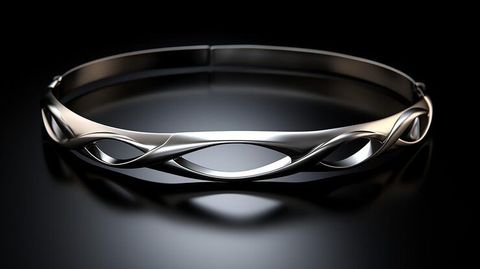
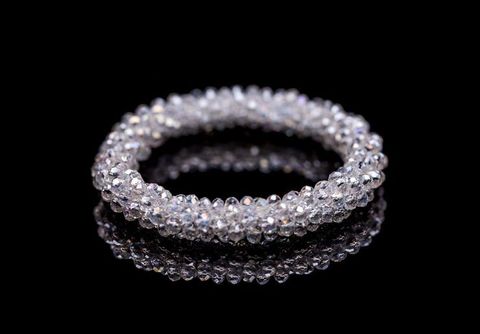
The design focuses on simplicity and uniformity. Each diamond is typically set in a similar pattern, creating a balanced and symmetrical appearance. These bracelets are often made using precious metals such as gold, platinum, or silver, which provide durability and enhance the overall look.
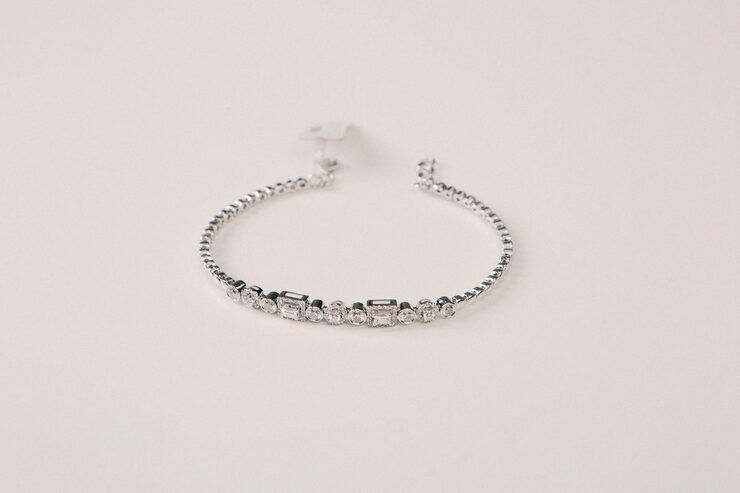
The purpose of diamond tennis bracelets is to combine aesthetic appeal with wearability. Unlike heavier or more complex jewelry, they are designed to sit comfortably on the wrist while maintaining a refined appearance. This combination makes them suitable for various occasions without appearing overly elaborate.
Importance
Diamond tennis bracelets are relevant today because they represent a blend of style, durability, and versatility. Many individuals look for accessories that can transition easily between casual and formal settings, and this type of bracelet meets that need.
They are particularly important for people who value long-lasting jewelry. Diamonds are known for their hardness, which contributes to the bracelet’s durability. When properly maintained, these bracelets can remain in good condition for many years, making them a practical choice for long-term use.
Several everyday challenges are addressed by this type of jewelry. First, comfort and flexibility are important factors, and the linked design allows for natural movement of the wrist. Second, the consistent arrangement of diamonds provides a balanced look that complements different outfits without overwhelming them.
For individuals interested in gifting, diamond tennis bracelets are often considered appropriate for various occasions such as anniversaries or celebrations. Their neutral design makes them suitable for different age groups and personal styles.
Recent Updates
In recent years, there have been noticeable trends and developments in diamond tennis bracelets. One key trend is the growing interest in customization. Many people now prefer bracelets that reflect personal preferences, such as variations in diamond size, setting style, or metal type.
Another development is the increased use of lab-created diamonds. These diamonds have similar physical and visual properties to natural diamonds but are produced through controlled processes. This has expanded the range of options available to consumers.
Sustainability has also become an important consideration. There is greater awareness about ethical sourcing of materials, leading to more transparency in how diamonds and metals are obtained. This shift reflects broader changes in consumer behavior across the jewelry industry.
Technology has influenced design and production as well. Advanced tools allow for more precise cutting and setting of diamonds, improving consistency and reducing imperfections. Digital platforms also provide easier access to information about different types of bracelets, helping individuals make informed decisions.
Laws or Policies
The production and distribution of diamond tennis bracelets are influenced by various regulations, particularly in countries like India. These laws focus on ensuring transparency, quality, and ethical sourcing.
One important regulation is hallmarking, which verifies the purity of precious metals such as gold and silver. In India, the Bureau of Indian Standards (BIS) oversees hallmark certification, helping consumers identify authentic metal content in jewelry.
Another key area is diamond certification. Independent organizations assess diamonds based on factors such as cut, clarity, color, and carat weight. Certification provides a standardized way to evaluate diamond quality and helps maintain consistency in the market.
Ethical sourcing policies also play a role. International agreements aim to prevent the circulation of conflict diamonds, ensuring that diamonds are obtained through responsible practices. These measures contribute to greater accountability in the industry.
Taxation and import regulations may also affect the availability of materials used in diamond tennis bracelets. These policies influence how raw materials are sourced and distributed within the market.
Tools and Resources
There are several tools and resources that can help individuals understand and evaluate diamond tennis bracelets more effectively.
Online diamond grading guides are widely used to explain the four key characteristics: cut, clarity, color, and carat weight. These guides provide visual examples and descriptions that make it easier to compare different diamonds.
Jewelry measurement tools, such as wrist size guides, help ensure that the bracelet fits comfortably. Accurate sizing is important for both comfort and safety, as a bracelet that is too loose may slip off easily.
Digital platforms and comparison websites allow users to explore different designs and features. These platforms often include filters for metal type, diamond size, and setting style, making it easier to narrow down options.
Educational videos and tutorials provide step-by-step explanations of how diamond tennis bracelets are made. These resources can help individuals understand the craftsmanship involved and the factors that influence quality.
Below is a simple comparison table highlighting common features of diamond tennis bracelets:
| Feature | Description | Impact on Use |
|---|---|---|
| Diamond Size | Refers to individual stone dimensions | Affects appearance and weight |
| Setting Style | Prong, bezel, or channel settings | Influences security and design |
| Metal Type | Gold, platinum, or silver | Determines durability and finish |
| Clasp Mechanism | Box clasp, lobster clasp, or safety latch | Affects ease of use and safety |
| Bracelet Length | Measured to fit wrist size | Ensures comfort and proper fit |
FAQs
What are diamond tennis bracelets used for?
Diamond tennis bracelets are used as decorative accessories that can complement both everyday and formal outfits. Their simple design allows them to be worn in various settings without appearing too heavy or complex.
How do diamond tennis bracelets differ from other bracelets?
Unlike many other bracelets, diamond tennis bracelets feature a continuous line of evenly spaced diamonds. This uniform design creates a balanced and consistent appearance, making them distinct from charm or bangle-style bracelets.
Are diamond tennis bracelets suitable for daily wear?
Yes, many diamond tennis bracelets are designed for regular use. Their flexible structure allows for comfortable movement, and durable materials help them withstand normal daily activities when handled with care.
How can I choose the right diamond tennis bracelets?
When selecting diamond tennis bracelets, it is helpful to consider factors such as wrist size, diamond quality, setting style, and metal type. Understanding these elements can help match the bracelet to personal preferences and usage needs.
How should diamond tennis bracelets be maintained?
Regular cleaning with mild solutions and proper storage can help maintain their appearance. It is also important to check the clasp and settings periodically to ensure that the diamonds remain secure.
Conclusion
Diamond tennis bracelets are a well-known jewelry option that combines simplicity, durability, and versatility. Their design allows them to be worn in a variety of situations while maintaining a consistent appearance. Developments in technology and materials have expanded the available options, making them more accessible and customizable. Understanding their features, regulations, and maintenance needs can help individuals make informed choices. Overall, they remain a practical and widely recognized form of jewelry.